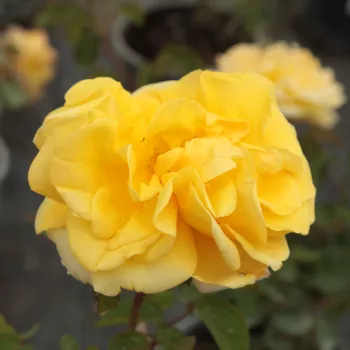
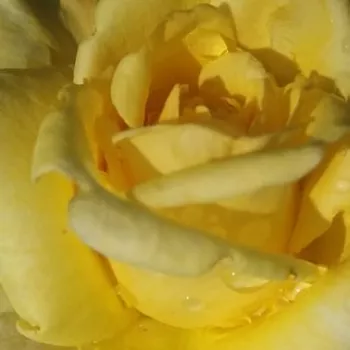
APACHE – yellow park rose - Abrams
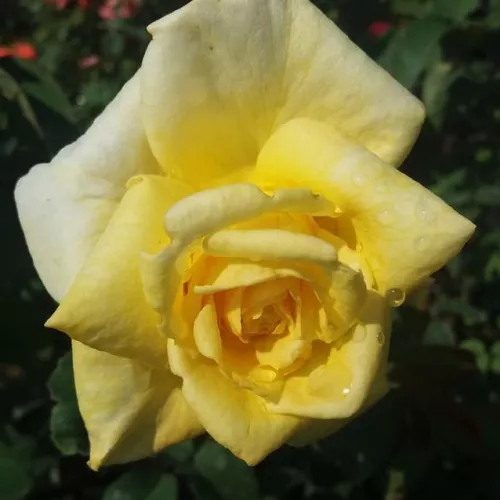
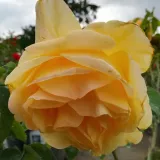
If You dream of a rose that simply settles in and performs without fuss, Apache is a tall, elegant shrub that fits straight into Irish family gardens, coping well with cool summers and a humid climate where fungal problems can be common. Its upright, bushy habit and dense, glossy foliage create a naturally screening effect, ideal for soft boundaries or to flank a path. The large, double blooms open from high-centred buds in a rich, sunlit yellow, then gently soften to buttery and honey-straw tones for a long-lasting, romantic display. Flowering in generous flushes through the season, it quickly becomes a reliable feature that does not demand constant attention. As an own-root shrub it builds strength steadily, giving You a long-lived, regenerating structure that can be pruned with confidence. Moderate disease resistance and winter hardiness down to H7 help keep care tasks manageable, while the 2-litre potted plant is easy to handle for beginners and experienced gardeners alike, developing roots in year one, stronger shoots in year two and full ornamental impact from year three onwards.
Use cases
| Target area |
Reason |
| Front garden focal shrub by the entrance |
Apache’s tall, upright, bushy shape and dense dark-green foliage give instant presence near a doorway, while the large, double, sun-yellow blooms create a warm welcome and clear visual focus for visitors, especially appreciated by homeowners |
| Flowering hedge or informal boundary |
The upright grandiflora habit and 130–190 cm height make a softly screening hedge when planted at 80–90 cm, offering privacy and structure without harsh lines, well suited to those who want definition around the garden but prefer a natural look for families |
| Small rose group in a mixed border |
Planted in groups of 1–5 at the recommended spacing, Apache’s remontant flowering and colour that shifts from lemon-gold to buttery cream provide changing interest, blending easily with perennials and ornamental grasses for relaxed, low-fuss compositions enjoyed by hobby-gardeners |
| Cottage-style bed with grasses and perennials |
The park-shrub character and nature-inspired look pair beautifully with companions like Karl Foerster grass or blue sedges, creating movement and texture that echo traditional cottage gardens while still being straightforward to maintain for rural and village gardeners |
| Coastal or exposed suburban front garden |
Its own-root, shrub-forming habit gives a stable, resilient base that adapts gradually to site and care, an advantage where Atlantic winds and persistent damp can challenge more delicate roses, offering dependable structure and flower cover for coastal-front-garden owners |
| Large container on patio, balcony or driveway |
When planted in a minimum 40–50 litre container with good drainage, Apache’s bushy habit and repeat flowering make a long-season feature near seating or parking areas, while the medium maintenance needs suit busy people who want impact without daily work for urban-balcony users |
| Low-maintenance family play-area backdrop |
Once established on its own roots, Apache forms a durable framework that can be pruned back if needed yet regrows reliably, giving long-lived colour along fences or walls with only occasional feeding and pest checks, ideal behind lawns used frequently by children |
| Long-term structure planting in new gardens |
Square or hexagonal planting at 1.2–1.4 plants/m² lets Apache knit into a coherent shrub mass over time, so the garden gains height, screening and repeating yellow colour as the years pass, suiting new-build plots where owners want steady, reliable progress for new-garden starters |
Decorating ideas
- Sunny-Entrance Glow – Plant one Apache by the front door with lavender and low rosemary for scent and soft structure – ideal for homeowners who want a welcoming entrance with easy care.
- Golden-Hedge Drift – Create an informal hedge, underplanting with Carex ‘Blue Zinger’ to contrast the golden blooms with cool blue foliage – great for families wanting gentle screening without a formal look.
- Cottage-Grass Mix – Combine Apache with Calamagrostis ‘Karl Foerster’ and simple white perennials for a relaxed cottage-bed feel – suits rural gardeners who like romantic style but limited upkeep.
- Patio-Feature Pot – Grow a single plant in a 40–50 litre container, adding trailing herbs around the rim for a fragrant, tidy patio centrepiece – perfect for busy urban gardeners with limited space.
- Layered-Mixed Border – Place Apache at mid–back of a border with hydrangeas and spring bulbs in front to give season-long depth and colour – ideal for beginners planning a dependable family garden.
Technical cultivar profile
| Property |
Data |
| Name and registration |
Registered and exhibition name Apache, a park–shrub rose used as a tall shrub in gardens; trade name Apache – yellow park rose – Abrams, classified within the Park – shrub rose commercial group. |
| Origin and breeding |
Bred in the USA by Gordon J. Von Abrams, breeding year 1961; detailed parentage and initial distribution data are not known, but the cultivar has established itself as a robust park-shrub rose type. |
| Growth and structure |
Vigorous, upright, bushy grandiflora shrub reaching about 130–190 cm in height with a 70–110 cm spread; densely thorned shoots and dark green, glossy foliage create a substantial, structural presence in beds or hedges. |
| Flower morphology |
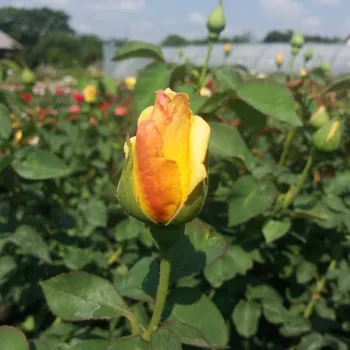
Large, double flowers with 26–39 petals produced mostly singly on stems; high-centred, pointed buds reminiscent of classic cut-rose forms, with remontant flowering that brings a notably abundant second flush in season. |
| Colour and phenology |
Flowers open a saturated lemon–gold, then fade through buttery-yellow and creamy tones to a honey–straw-yellow centre; colour retention is moderate, giving a soft, ever-changing yellow display over repeated flowering cycles. |
| Fragrance and aroma |
Fragrance is pleasantly sweet yet mild, lending a subtle rose scent near paths and seating areas; while not overpowering, it adds a gentle sensory layer that complements the warm yellow flower tones. |
| Rose hip characteristics |
Hip production is generally low because of the double flowers; when present, hips are small, spherical, and orange-red, around 16–24 mm in diameter, adding modest late-season interest without heavy seeding. |
| Resistance and hardiness |
Hardy to approximately –21 to –18 °C (H7, USDA 6b, Swedish zone 3); disease resistance is moderate overall, with good resistance to powdery mildew and black spot and moderate susceptibility to rust, suiting average garden conditions. |
| Horticultural recommendations |
Best planted at 80–90 cm in hedges or 1.2–1.4 plants/m² in mass plantings; maintenance is medium, with routine feeding and occasional pest or disease checks; tolerates typical Irish conditions if soil drainage is acceptable. |
Apache offers tall, structural yellow flowering, reliable repeat blooms and medium-care resilience as a long-lived own-root shrub rose, making it a practical, confidence-building choice if You are looking to plant once and enjoy for years to come.