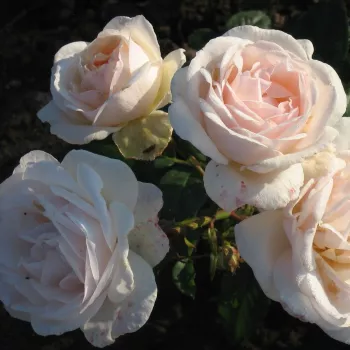
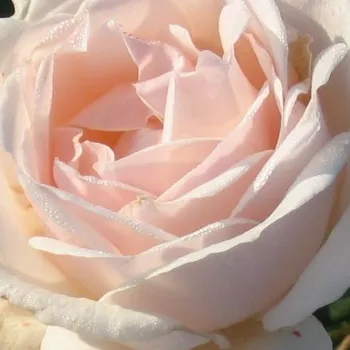
JULIA RENAISSANCE – pink park rose
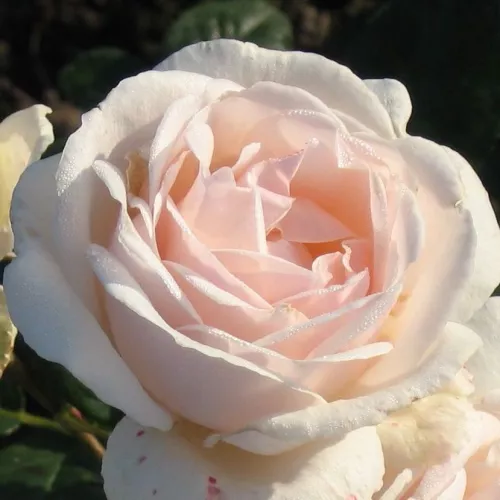
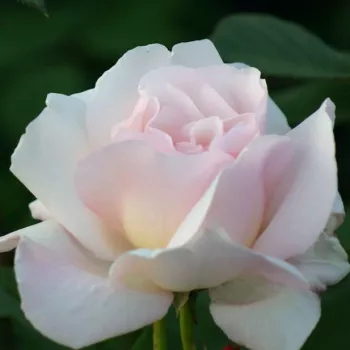
Romantic pastel blooms, a strong classic fragrance and a generous, repeat-flowering habit make Julia Renaissance an easy rose to love if You dream of a soft, cottage-garden look without complex planting schemes. This sturdy shrub forms an upright, bushy shape with dark, healthy-looking foliage and barely any thorns, so it is family-friendly around paths and smaller front gardens. As an own-root plant it builds a long-lived, stable bush that copes well even where soils stay heavy after rain and need a bit of attention with drainage. Large, very full rosette flowers open creamy pink with a peach heart, fading elegantly to near cream for a long, changing display on each stem. You can enjoy armfuls of cut flowers for the house while the shrub quietly keeps sending new buds, settling in gently as roots focus in year one, shoots build in year two and full ornamental value appears by year three. Its rounded form fits naturally among perennials, hedges and low walls, helping Your garden look effortlessly composed, yet relaxed and inviting. In mixed borders or as a specimen, it feels surprisingly adaptable to different light levels, handling partial shade where other roses may struggle. With a bit of regular deadheading and protection, You are rewarded with a rose that looks reassuringly established and graceful for many seasons, supporting an easy-going, low-fuss garden style You can simply enjoy.
Use cases
| Target area |
Reason |
| Front garden focal shrub by the entrance |
The upright, bushy habit and dense dark foliage create an immediate sense of structure beside a door or gate, while the pastel rosette blooms give a welcoming, romantic look for visitors and household alike, ideal for a busy homeowner who values a graceful first impression for guests. |
| Low-maintenance mixed border with perennials |
Repeated flushes of soft pink, full flowers add long-season colour among perennials, and the own-root character means the shrub matures into a stable, long-lived presence that gradually anchors the bed without demanding complex pruning, perfect if You prefer reliable, unfussy plants for everyday. |
| Near paths and seating areas |
Its barely prickly stems make it a comfortable choice close to narrow paths, children’s routes and benches, allowing You to brush past or cut blooms without constant scratches, suiting families and anyone wanting a beautiful rose that feels safe and approachable for visitors. |
| Partial-shade cottage-style side garden |
Julia Renaissance tolerates partial shade, so it will still flower and hold its colour where walls or neighbouring houses limit sun, supporting traditional Irish cottage-style planting in awkward side strips that might defeat fussier roses, reassuring for gardeners working with shared light for space. |
| Small rose group of 3 plants in a front border |
Planting three shrubs together gives a softly rounded, hedge-like mass of pastel blooms that repeat through summer, with each own-root plant developing its natural bush form over time, ideal if You want a coherent, easy-care feature rather than many different varieties for simplicity. |
| Cut-flower corner for scented bouquets |
The large, very full rosette blooms and strong, classic fragrance make this variety excellent for home-cut bouquets; by deadheading and cutting stems, You stimulate more flowering, giving a simple routine that rewards You indoors and outdoors, attractive for beginners who enjoy scented arrangements. |
| Clay-based family garden with careful drainage |
Well-rooted own-root plants adapt steadily to local soils and moisture levels, so once drainage is improved they settle into heavy Irish clay, building a robust shrub that copes with our wet spells and wind, giving confidence to gardeners in typical housing-estate plots seeking dependable results. |
| Large container on a sheltered patio or balcony |
In a 40–50 litre container with quality compost, the upright shrub form and continuous soft-pink flowering bring a park-rose feel to small paved spaces; own-root growth supports long-term structure in the pot, appealing to urban balcony and patio gardeners looking for lasting seasonal colour. |
Decorating ideas
- Cottage Front Welcome – Combine Julia Renaissance with lavender and a low box hedge beside the path for a soft, fragrant entrance – ideal for homeowners who like a traditional, storybook front garden.
- Pastel Perennial Mix – Thread three shrubs through a narrow border with nepeta, hardy geraniums and soft grasses to create a long-flowering, easy-care tapestry – suited to beginners wanting gentle colour from spring to autumn.
- Romantic Patio Pot – Grow one plant in a 40–50 litre terracotta container with trailing thyme or lobelia for a layered, overflowing effect – perfect for balcony and courtyard gardeners seeking maximum charm in limited space.
- Scented Cutting Corner – Pair Julia Renaissance with phlox and annual sweet peas near the back door, giving plenty of stems for classic, scented kitchen-table bouquets – great for those who love bringing home-grown flowers indoors.
- Soft Hedge Accent – Use a short row of shrubs along a low fence, underplanting with hardy heucheras and spring bulbs to provide structure and evolving colour year-round – a good option for families wanting gentle screening without heavy maintenance.
Technical cultivar profile
| Property |
Data |
| Name and registration |
Renaissance Collection shrub rose, registered as POUlheart, marketed as Julia Renaissance. Park–shrub rose type with premium bronze cultivar merit rating, suitable for ornamental garden and small-park use. |
| Origin and breeding |
Bred by L. Pernille Olesen and Mogens Nyegaard Olesen for Poulsen Roser A/S, Denmark. Introduced and registered in 1996, with unknown parentage typical of many Renaissance series shrub roses. |
| Growth and structure |
Upright, bushy shrub rose reaching 100–150 cm in height and spread. Dense, slightly glossy dark green foliage with barely prickly stems, forming a rounded, structural garden shrub over several seasons. |
| Flower morphology |
Large, very full rosette flowers, mostly solitary on stems, with over 40 petals. Long flowering season with good repeat, including an abundant second flush when faded blooms are regularly removed. |
| Colour and phenology |
Creamy pale pink petals with a peachy centre, giving a soft pastel effect. Buds open pale cream with pink tips, then deepen softly before fading to near cream with a light pink tinge over the bloom’s life. |
| Fragrance and aroma |
Strong, long-lasting classic rose fragrance, noticeable both on the plant and in cut stems. Primarily ornamental rather than pollinator-focused due to the very double flowers enclosing the stamens. |
| Rose hip characteristics |
Hip set generally low because of very double blooms, though occasional small spherical orange-red hips 8–12 mm in diameter may form, adding modest seasonal interest in late season. |
| Resistance and hardiness |
Fully hardy to approximately −26 to −23 °C (H7, USDA 5b, Swedish Zone 4). Disease resistance average to weak, with susceptibility to powdery mildew and rust, so regular monitoring and protection are recommended. |
| Horticultural recommendations |
Best in fertile, well-drained soil with regular feeding and watering, especially in dry spells. Space 110–180 cm depending on use; deadhead frequently, prune annually, and apply preventative plant protection where disease pressure is high. |
Julia Renaissance offers romantic, strongly scented blooms, a long flowering season and a stable own-root shrub that matures gracefully over years; a thoughtful choice if You want a dependable rose for everyday enjoyment.