LYDIA® – orange-pink park rose – Kordes
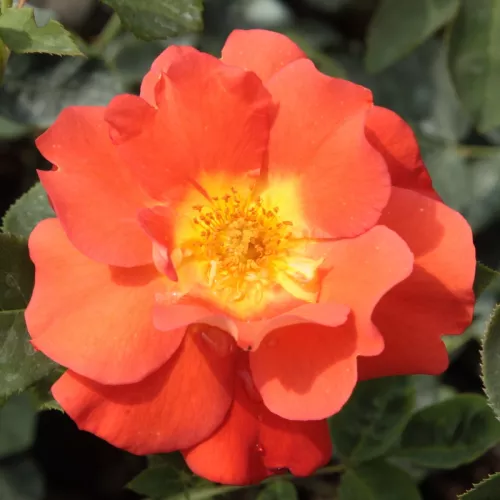
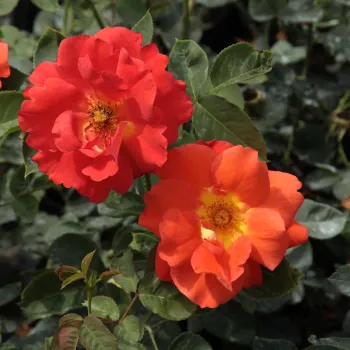
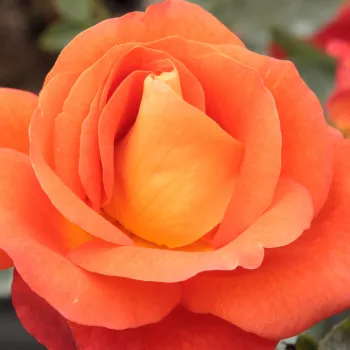
LYDIA® is a tall, upright shrub rose that brings a romantic wash of warm orange‑pink colour to everyday Irish gardens while coping well with our typical rain and humidity. Its semi‑double, self‑cleaning flowers appear in generous flushes, so You enjoy weeks of colour without tedious dead‑heading. The rich, fruity fragrance and visible stamens invite pollinators, adding gentle life and movement around Your home. As an own‑root rose it matures into a stable, long‑lived hedge or specimen, capable of regenerating from the base if ever cut back hard. In the first year it quietly builds roots, in the second it pushes stronger shoots, and by the third year it settles into its full ornamental presence – a reliable, low‑fuss park shrub that simply works in family gardens.
Use cases
| Target area | Reason |
|---|
| Front garden focal shrub |
The upright, bushy habit and 140–220 cm height give instant presence beside a gate, bay window or front path, with changing orange‑pink tones that stay eye‑catching from a distance, ideal if You want impact without fussy gardening tasks for beginners |
| Informal flowering hedge |
Planted at 90 cm spacing, LYDIA® forms a dense, dark‑green screen that flowers repeatedly, its own‑root nature supporting a long‑lived, regenerating hedge that can be trimmed back when needed yet still gives dependable blossom for busy-owners |
| Small rose group in a mixed border |
In groups of 3–5, the semi‑double clusters weave warm colour through perennials and grasses; good self‑cleaning means spent blooms drop away naturally, so the bed stays neat with only light seasonal pruning required for urban-gardeners |
| Cottage-style family garden bed |
The rich, fruity scent and soft peach‑to‑cream colour transitions suit nostalgic cottage schemes; moderately thorny stems and dense foliage create a robust, lived‑in feel that blends well with hardy geraniums and coneflowers for romantics |
| Pollinator-friendly wildlife corner |
Semi‑double flowers with accessible stamens offer pollen and fragrance that draw bees and other beneficial insects, fitting naturally beside wildlife lawns or herb patches while still looking groomed enough for a family space for nature-lovers |
| Large patio container or balcony tub |
In a minimum 40–50 litre container, LYDIA® becomes a tall, perfumed accent for patios or coastal balconies; the remontant flowering and own‑root durability make it a long‑term container companion with basic feeding and watering for apartment-dwellers |
| Low-maintenance park-style planting at home |
Originally bred as a park shrub, it suits simple, spacious layouts; moderate disease resistance and good self‑cleaning keep maintenance at a reasonable level even where Atlantic winds bring frequent showers and higher fungal pressure for time-poor |
| Stand-alone specimen near seating |
Placed by a bench or terrace, its strong fruity fragrance and evolving flower colours are easy to enjoy up close; own‑root growth ensures a solid framework that improves over the years rather than exhausting itself, rewarding patient homeowners |
Decorating ideas
- Cottage Hedge Drift – Line a front boundary with LYDIA® and interplant clumps of hardy geraniums for a soft, romantic hedge with scented, pollinator‑friendly colour – for lovers of traditional cottage lanes
- Sunset Patio Trio – Plant a single LYDIA® in a 50 litre pot and flank it with terracotta containers of lavender and rosemary for evening fragrance and easy care – for balcony and terrace dwellers
- Park-Style Corner – Create a mini public‑park feel by grouping three LYDIA® with dwarf pine and ornamental grasses, letting the tall shrubs give structure and long life – for practical design‑minded gardeners
- Family-Friendly Wildlife Nook – Combine LYDIA® with coneflowers and airy perennials to draw bees while keeping the border tidy thanks to its self‑cleaning blooms – for families wanting nature without extra work
- Romantic Entrance Accent – Position a single LYDIA® beside the front door, underplanted with low geraniums, so the fruity fragrance and warm petals greet visitors – for homeowners who like a welcoming first impression
Technical cultivar profile
| Parameter | Data |
|---|
| Name and registration |
Registered as Lydia, a shrub rose marketed as LYDIA® – orange‑pink park rose. Part of the Park – shrub rose collection and classified as a park rose for garden and landscape use. |
| Origin and breeding |
Bred by Reimer Kordes at W. Kordes’ Söhne, Germany, from an unknown seedling crossed with ‘Circus’. Introduced and registered in 1973, reflecting classic Kordes shrub‑rose breeding. |
| Awards and recognitions |
Bronze medal at the Baden‑Baden International Novelty Competition in 1975, demonstrating early recognition of its ornamental and garden performance qualities among professional judges. |
| Growth and structure |
Vigorous, upright, bushy shrub reaching about 140–220 cm high and 120–180 cm wide. Dense, dark green, slightly glossy foliage with moderate thorns; suitable for hedging, specimens and mixed shrub plantings. |
| Flower morphology |
Semi‑double blooms with 13–25 petals, goblet to cup‑shaped and borne in clusters. Small flower size (about 0.5–1.5 in) but produced generously with remontant repeat flowering and a notable second flush. |
| Colour and phenology |
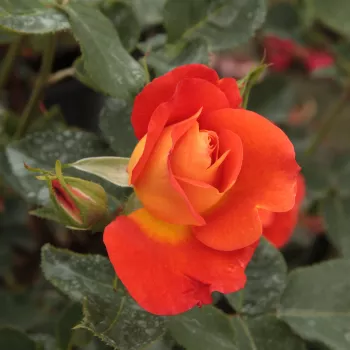
Warm orange‑pink base colour with a yellowish sheen, shifting as blooms age from orange‑red buds through salmon‑orange to peach and creamy yellow tones, giving a constantly changing, multi‑tonal display in season. |
| Fragrance and aroma |
Strong, rich fruity scent, clearly noticeable around the plant, especially in still air. Semi‑double flowers with exposed stamens also provide some attraction for pollinators alongside the ornamental fragrance. |
| Rose hip characteristics |
Produces moderate quantities of small, ellipsoidal hips about 8–12 mm in diameter, coloured red (RHS 44A), offering additional seasonal interest and light wildlife value in late summer and autumn. |
| Resistance and hardiness |
Hardy to about −26 to −23 °C (H7, Swedish zone 4, USDA 5b). Disease resistance is moderate to black spot, powdery mildew and rust, benefiting from good air circulation and basic preventive care in damp climates. |
| Horticultural recommendations |
Suitable for parks, hedges, specimens, urban green spaces and large containers. Space 90–165 cm depending on use. Maintenance is medium, mainly light pruning, feeding and occasional pest or disease management as required. |
LYDIA® offers tall, colourful structure, rich fragrance and reliable repeat flowering, and as an own-root shrub it builds long-term strength for low-fuss hedges or specimens; consider it if You want a dependable, gently romantic presence in Your garden.