PINK ELIZABETH ARDEN – pale pink bedding floribunda rose – TANtenom
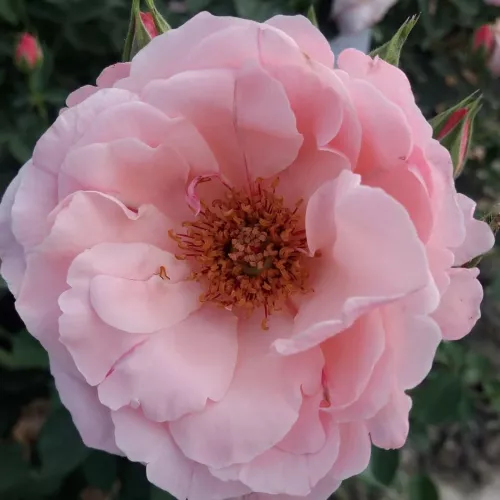
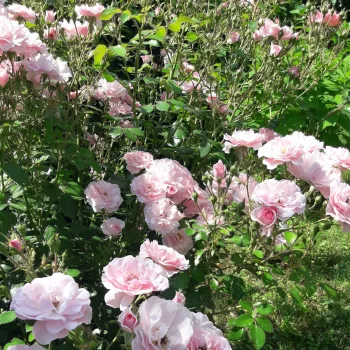
If You dream of a front garden that looks naturally elegant without demanding constant attention, PINK ELIZABETH ARDEN is made for You. This floribunda forms a neat, upright bush that covers itself in soft, porcelain‑like sprays of flowers, ideal for beds, low hedges or edging along a path. The semi‑double blooms invite bees to visit, while the plant’s dependable garden performance makes it easy to trust, even in Irish weather with its frequent rain and heavy, moisture‑holding soils. Planted as a 2‑litre own‑root rose, it settles in steadily and offers reassuring long‑term stability, regenerating well if cut back or after a tough season. In the first year it builds its roots, in the second it shapes up with stronger shoots, and by the third year it reveals its full, graceful ornamental value.
Use cases
| Target area |
Reason |
| Front garden bed by the entrance |
Forms a tidy, upright floribunda bush that naturally holds its shape, giving a smart yet romantic welcome without regular clipping or complicated training – ideal if You want a pretty entrance that stays manageable for busy beginners |
| Small group of 3–5 roses in a mixed border |
Remontant flowering brings waves of pastel sprays through the season, so a compact group quickly reads as a continuous soft pink accent among perennials and shrubs, with simple deadheading enough to keep it looking fresh for time-poor homeowners |
| Low flowering hedge along a path or driveway |
Even spacing at 35–40 cm creates a low, blooming line that gently defines paths without becoming overbearing; own‑root plants fill out evenly over a few seasons and recover well from periodic trimming, suiting practical garden planners |
| Ornamental bed in heavy or moisture‑holding soil |
Well‑rooted, own‑root stock establishes reliably when given basic drainage, creating a stable, long‑lived planting that copes steadily with our typically wet seasons and frequently waterlogged garden corners, reassuring for Irish garden owners |
| Cottage-style border with pollinator interest |
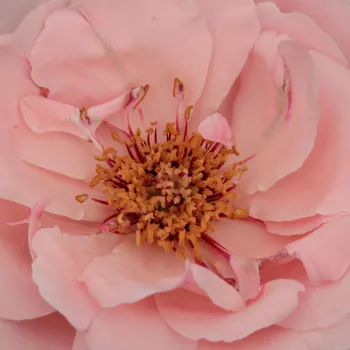
Semi‑double, open‑centred blooms expose stamens that are easy for bees to reach, adding subtle pollinator value alongside its pastel charm, especially when combined with herbs and traditional cottage perennials, pleasing romantic wildlife-lovers |
| Family garden bed viewed from the kitchen window |
Medium height and dense, dark green foliage create a stable, leafy backdrop, while the pale pink sprays read clearly from indoors, giving a sense of success without expert care, perfect for everyday home gardeners |
| Large patio container near a seating area |
Performs well in a 40–50 litre pot with regular watering, bringing pastel, porcelain‑like clusters up to eye level for close enjoyment, while the moderate maintenance suits those wanting seasonal colour rather than a high‑attention project, ideal for balcony and patio users |
| Small urban front garden with wind and rain exposure |
Compact height and sturdy, upright growth help it stand up to blustery Atlantic showers and changeable conditions, giving reliable cover and bloom in limited space with only moderate care, reassuring for city and coastal gardeners |
Decorating ideas
- COTTAGE RIBBON BORDER – Plant a soft drift of PINK ELIZABETH ARDEN in front of taller perennials like foxgloves and campanulas for a pastel “ribbon” along the border edge – ideal for lovers of relaxed country-garden charm
- SOFT PINK FORMALITY – Use a straight row as a low hedge and pair with Buxus sempervirens and clipped lavender balls to soften a more formal layout – suited to homeowners who like order with a gentle, romantic touch
- PORCELAIN PATIO POT – Grow one plant in a 40–50 litre container with underplanting of trailing thyme and white lobelia for a refined, close-up display – perfect for small patios and balconies needing easy-care elegance
- PASTEL MIXED BED – Combine groups of three roses with Perovskia and pale blue nepeta to create a long-flowering, low-fuss bed of pink and blue tones – good for busy gardeners wanting reliable colour with simple upkeep
- FAMILY-FRIENDLY FRONT – Line a short front path with staggered pairs and intersperse spring bulbs for year-round interest and summer sprays of pale pink – designed for families who want a welcoming look without complex planting plans
Technical cultivar profile
| Property |
Data |
| Name and registration |
Floribunda bedding rose registered as TANtenom, marketed as PINK ELIZABETH ARDEN – pale pink bedding floribunda rose - Tantau; also exhibited under the name Geisha in floribunda spray classes. |
| Origin and breeding |
Bred by Mathias Tantau Jr. at Rosen Tantau, Uetersen, Germany; bred around 1964 with parentage unknown, registered in 1964 and introduced commercially from 1966 in Europe and overseas markets. |
| Awards and recognitions |
Holds ADR-Sorte classification in Germany from 1965 and received first place in Floribunda Spray at the Tualatin Valley Rose Society Show (USA) in 1998, confirming strong garden and exhibition value. |
| Growth and structure |
Medium-sized, upright bush reaching about 80–120 cm in height with a 50–70 cm spread; dense, slightly glossy dark green foliage, moderately thorny stems and a compact, bedding-suitable habit for neat plantings. |
| Flower morphology |
Semi-double, cup-shaped flowers with 13–25 petals, medium-sized at approximately 1.5–2.75 inches; borne in clusters of three to five blooms per stem, remontant with a generous second flush through the season. |
| Colour and phenology |
Pastel-effect pale pink with a faint warm undertone; buds soft pink, opening to fresh pastel pink then fading to creamy, very pale pink with almost white margins as blooms age, giving a subtle, porcelain-like colour transition. |
| Fragrance and aroma |
Fragrance is very weak, with only a barely perceptible rosy character detectable at close range, making it suitable for people sensitive to strong perfume and for locations where scent should not dominate outdoor seating areas. |
| Rose hip characteristics |
Produces moderate quantities of small, red, ellipsoid hips measuring about 8–12 mm, adding discreet autumn interest and seasonal structure without creating excessive self-seeding or heavy fruiting in the planting. |
| Resistance and hardiness |
Rated medium for resistance to powdery mildew, black spot and rust; hardy to around −21 to −18 °C (H7, USDA 6b, Swedish zone 3), performing steadily with standard care and occasional preventive disease management. |
| Horticultural recommendations |
Best in sunny positions with reasonable drainage; spacing 35–40 cm in beds or hedges, 65 cm as a specimen. Suitable for mass planting, low hedging, containers and cut sprays; maintenance needs are moderate, with deadheading recommended. |
PINK ELIZABETH ARDEN offers compact, reliable flowering, soft pastel sprays and steady, long-term growth on own-root plants that recover and mature gracefully, making it a reassuring choice if You want a beautiful rose without complicated care.