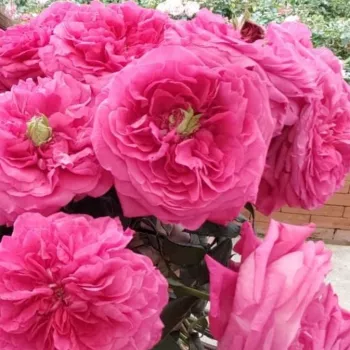
Deep, rich raspberry-red base colour with a subtle violet undertone. - nostalgia rose - scentless rose - no noticeable fragrance
– XL, very double rosette blooms
– Deep raspberry-red colour with violet tones
– Very good colour retention on the plant
– Reliable remontant habit with rich second flush
– Good winter hardiness down to –26 °C Special feature: Premium gold rated Romantic rose cultivar from WABARA.
Continuous garden growth – Careful packaging
pharmaROSA® ORIGINAL 2-litre own-root potted rose
23,30 €
4(6066)
PRINCESS KISHI – raspberry-red nostalgic rose - Kunieda
The raspberry-red Princess Kishi romantic rose brings a touch of cottage charm to smaller Irish gardens with its large, very double blooms and bushy, balanced habit that suits neat front beds and welcoming entrances. Bred in Japan for refined cut-flower quality yet thriving as a garden shrub, it repeat-flowers generously through the season, so You enjoy a dependable second flush of colour without complicated routines. Its own-root character supports a long-lived, regenerating plant that gradually settles into Your soil and care pattern, ideal when dealing with Ireland’s wetter weather and heavier clay ground. Over time this mid-green, slightly glossy foliage forms a rounded, medium-height bush, easy to place along paths, in mixed borders, or as a small feature group. In the first year it quietly builds strong roots, in the second it pushes sturdier shoots, and by the third year it reaches its full display, giving a stable, low-fuss rose You can simply plant and enjoy.
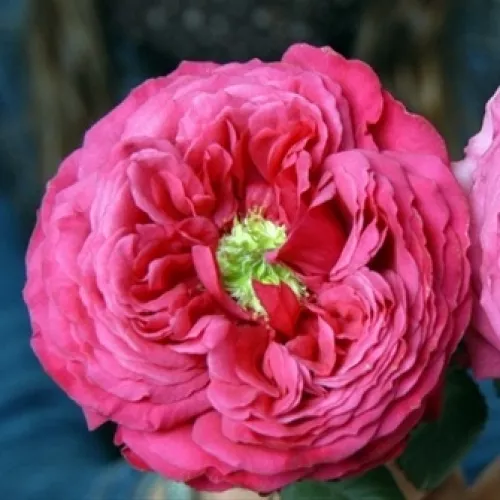
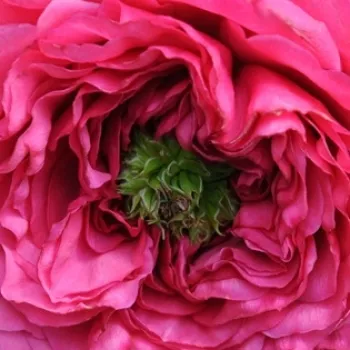
Princess Kishi shows a very double, rosette-shaped bloom.
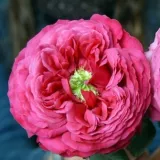
Princess Kishi rose in different opening phases, from bud to fuller bloom.
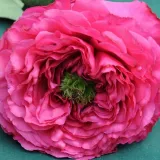
Princess Kishi showing several opening stages side by side.
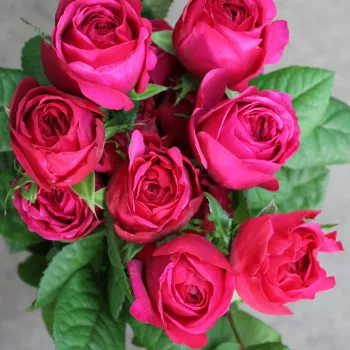
Princess Kishi shown in different opening phases.
Use cases
Target area
Reason
Front garden focal shrub
The bushy, medium-height habit and XL, raspberry-red rosette blooms create an instant focal point near the front door or gateway without dominating a modest Irish front garden; suits beginners seeking an easy structure and hobby gardeners
Small group planting (1–3 plants)
Planted in a tight group at 65 cm spacing, the rounded shrubs knit together into a romantic, nostalgic rose clump, giving rich colour and fullness even in compact beds while remaining straightforward to prune and shape for busy owners
Mixed border with shrubs and perennials
The mid-green, slightly glossy foliage and steady flowering combine well with evergreen structure like holly or cherry laurel and airy perennials, providing long-season interest with only medium care needs for family gardeners
Cutting corner for home bouquets
Originally bred as a florist garden rose, its large, very double, single-flowered stems are ideal for cutting a few luxury blooms for the kitchen table, offering reliable stem quality without specialist rose-growing skills for home decorators
Romantic cottage-style edging
Along a path or low fence, the bushy 85–115 cm growth and raspberry-pink ageing tones give a soft, storybook feeling, especially when underplanted with low perennials, yet remain compact enough for easy upkeep by cottage-garden lovers
Coastal and windy-front plots
The sturdy shrub framework and own-root resilience help the plant adapt and stabilise in exposed Irish sites, coping well in gardens that regularly face strong Atlantic air and persistent wet winds for coastal homeowners
Large container on patio or balcony
In a 40–50 litre container with good drainage, its rounded habit and continual flowering give a long-lasting feature for paved spaces; the scentless flowers suit seating areas where fragrance might otherwise be overwhelming for urban balcony users
Long-term low-fuss rose investment
The own-root plant builds up gradually, offering a durable, regenerating shrub with moderate disease resistance; once established it maintains ornamental value for many years with only basic pruning, ideal for time-pressed yet quality-focused beginners
Decorating ideas
Cottage Pathway Duo – Line a front path with Princess Kishi and airy Penstemon ‘Husker Red’ for soft raspberry blooms above dark foliage – ideal for cottage-garden lovers
Welcoming Entrance Pot – Plant a single rose in a 40–50 litre clay pot by the front door, underplant with trailing thyme to soften the rim – perfect for busy urban homeowners
Romantic Hedge Accent – Slot groups of 3 roses at 55 cm between low evergreen hedging for nostalgic colour waves – great for families wanting structure with simple care
Cherry-Lawn Feature – Combine Princess Kishi with Prunus laurocerasus ‘Miki’ and spring bulbs for a layered, year-round feature bed – suited to small suburban gardens
Patio Cutting Corner – Group two roses with a small herb strip of lavender and rosemary for easy-access cut blooms and kitchen herbs – ideal for hobby gardeners with limited space
Technical cultivar profile
Property
Data
Name and registration
Trade name Princess Kishi Romantic rose Kunieda, shrub nostalgia rose from the Romantic rose collection; registered cultivar name not specified; exhibition use as a cut-flower type florist garden rose.
Origin and breeding
Bred by Kunieda Keiji in Japan for Rose Farm Keiji / WABARA (Rose Universe Co Ltd); parentage is unknown; introduced to the market in 2022 as a premium garden and cutting variety.
Growth and structure
Bushy shrub reaching about 85–115 cm in height and spread, with medium-density, mid-green, slightly glossy foliage and moderate prickles; forms a rounded, compact framework for beds and borders.
Flower morphology
Very double, rosette-shaped blooms with more than 40 petals; extra-large flower size from approximately 3.5 inches upward, usually borne singly on stems; remontant with an abundant second flush in season.
Colour and phenology
Deep raspberry-red base tone with subtle violet undertone; buds dark cherry-red, freshly opened flowers vibrant raspberry-red, gradually fading to raspberry-pink with delicate violet sheens and excellent colour retention.
Fragrance and aroma
Classified as a scentless rose with no noticeable fragrance in garden use; selected primarily for colour impact and flower form rather than aroma, making it suitable near seating for fragrance-sensitive gardeners.
Rose hip characteristics
Hip set generally low due to very double blooms; where formed, hips are small spherical orange-red fruits around 8–12 mm in diameter, adding occasional late-season decorative interest.
Resistance and hardiness
Hardy to approximately −26 to −23 °C (USDA zone 5b, RHS H7, Swedish zone 4); disease resistance rated moderate for black spot, powdery mildew and rust, requiring routine but not intensive plant protection.
Horticultural recommendations
PharmaROSA ORIGINAL own-root shrub for beds, borders and containers; plant at 55–65 cm depending on use, up to about 2.7 plants/m²; medium maintenance with occasional treatments and standard rose feeding and pruning.
Princess Kishi offers large nostalgic raspberry-red blooms, a compact bushy habit and long-lived own-root resilience that settles reliably into Irish gardens, so You can plant with confidence and enjoy deciding where it will shine.
Detailed product attributes
Product Identification Data
Product Name:
PRINCESS KISHI – raspberry-red nostalgic rose - Kunieda
Product Type:
pharmaROSA® ORIGINAL - 2-litre own-root potted rose
Rose Hip Notes:
Hip formation is expected to be low due to the double‑flowered blooms; occasionally spherical orange‑red hips 8–12 mm in diameter may appear.
Our product is a rose grown with unique pharmaROSA® cultivation technology!
2 litre, own-root, potted rose.
With shoots appropriate to the season.
With roots thoroughly interwoven through the growing medium.
Quality in line with the requirements of the E.N.A. (European Nurserystock Association).
In unique packaging that prevents damage.
Can be planted during frost-free periods.
True-to-type rose plant with an individual identifier.
The pharmaROSA® own-root potted rose is a well-rooted plant that supports reliable establishment when planted and cared for properly, so it can be planted whenever the soil is not frozen.
Stock: several varieties and several stages of development in a short stock section.Shoot system: intensive growth of fresh basal shoots on a young plant.Root system: presentation of the strong root system interwoven through the growing medium with the pot removed.Balance: mature plant where the development of the root system and the shoots is in harmony.
Information about the videos
The video series is not a “seasonal showcase”, but makes the essence of pharmaROSA® own-root production tangible: how the plant is built, what the root system is like and how the shoots renew themselves. The footage was therefore taken at different times, showing plants at different stages of development, so mixed leaf coverage or differing growth stages may appear in the videos. This is not a “sample” of the batch delivered, but an illustration of how the technology works. The current condition of the rose available to order — typical of the given period and similar to what you can expect to receive in the parcel — is shown at the top of the product page.
Pages for private customers Garden roses for the family garden, with minimal care → ORIGINAL® Premium garden roses – instant impact, a truly showpiece garden → EXTRA® Pages for professionals and private customers Roses for public spaces – large areas, sustainable maintenance → NATURAL® Roses for projects – hedge and row planting, fast implementation → RAPID® For professional partners only Production – propagation material for garden roses, wholesale → NEONATAL®
Company details
PharmaRosa Ltd. Company registration number: 01-09-717479 VAT number: 13075314-2-43 Plant health registration no.: HU130721 Bank account (IBAN): HU85117631891388688400000000 BIC (SWIFT): OTPVHUHB Bank name: OTP Bank Nyrt.