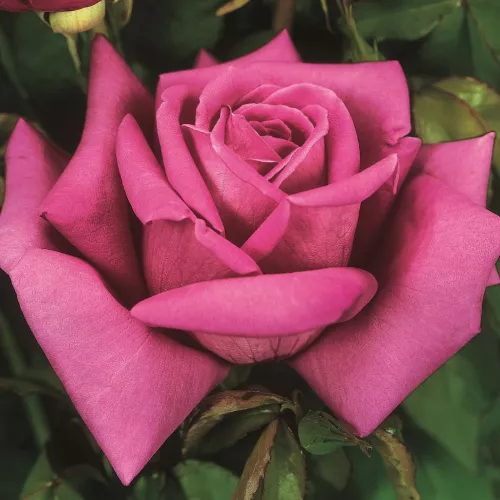
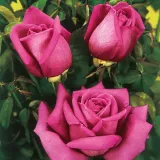
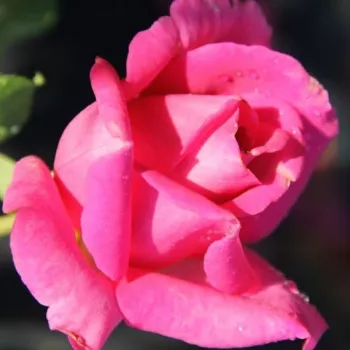
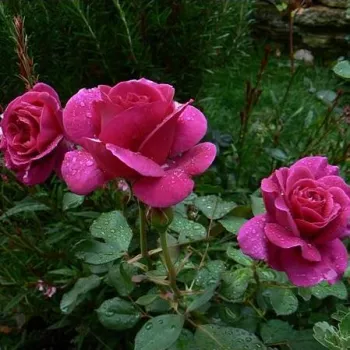
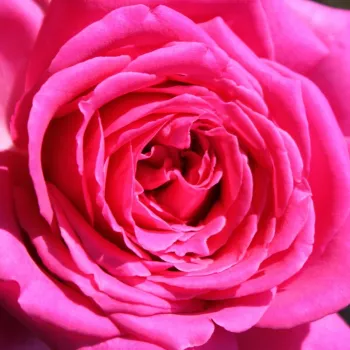
Creamy light yellow with a slightly deeper yellow shade towards the centre. - species rose - very weak, barely noticeable scented rose - classic rose character
– Abundant, very double butter-yellow blooms
– Vigorous climbing habit for walls and arbours
– Glossy, dense foliage for lush coverage
– Tolerates heat and moderate drought well
– Historic cultivar with prestigious RHS AGM Special feature: Celebrated in the WFRS Old Rose Hall of Fame for enduring garden value.
Rosa Banksiae lutea – Botanical rambler for arches and walls
This historic, butter-yellow rambler turns walls, garages and old sheds into cascades of small rosettes, creating a naturally romantic, cottage feel without fussy care. Once established it makes an impressive, glossy green curtain with masses of very double, pompon blooms in late spring, bringing a soft yellow light to your garden just when you are starting to use the patio again. Own-root plants settle in gradually and give a long lifespan, regrowing well after pruning and maintaining a stable shape over many years. In Irish gardens it copes well where heavy soil needs careful drainage, provided you avoid waterlogging and give it a sunny, sheltered spot. You buy a well-rooted, 2-litre plant that is simple to handle, so you can focus on enjoying the show rather than complicated jobs. In the first year it concentrates on roots, in the second on building strong shoots, and from the third season it shows its full ornamental value as a mature, cascading climber. For busy gardeners who want one big effect from one plant, this is an easy decision that delivers long-term impact.
Closed bud of Rosa banksiae lutea, pale yellow with a greenish-yellow tinge.
Use cases
Target area
Reason
Sunny house wall or garage wall
Trains easily as a climber and quickly covers large vertical surfaces with dense, glossy foliage and clouds of small yellow rosettes, turning a plain wall into a soft backdrop with very little ongoing shaping for busy urban garden owners
Arbour or pergola at garden entrance
The long, flexible shoots are ideal for looping over arches and pergolas, creating a generous yellow tunnel in late spring that gives a welcoming feel to front gardens while needing only occasional tying-in for beginners
Screening for sheds, oil tanks or compost areas
With its tall, curtain-like growth and slightly thorny canes, it disguises functional corners over time, providing a soft, green and yellow screen so you can hide less attractive structures without complex landscaping for homeowners
Large cottage-garden border backdrop
Placed at the back of a mixed border, it forms a permanent green wall that bursts into yellow blossom once a year, giving a classic cottage-garden look behind perennials and herbs yet remaining a once-or-twice-a-year task for romantic-style gardeners
Rural boundary fence or old stone wall
Suited to scrambling along fences or over old stone, it softens boundaries and blends well with the countryside feel, while its own-root character ensures long, reliable growth with simple renewal pruning for rural cottage-garden owners
Small group of 1–3 plants in larger gardens
Using a few plants together along a long wall or big pergola gives an almost continuous curtain of bloom, and once they settle, they largely look after themselves apart from basic pruning, giving a lot of impact for hobby gardeners
Warm, sheltered coastal garden corners
Prefers mild, sheltered positions and will reward you near the coast where careful planting avoids waterlogged heavy soil yet benefits from the softer climate, taking advantage of areas where heavy clay needs good drainage for Irish coastal gardeners
Large container on terrace or patio (40–50 litres minimum)
When grown in a generous container with a trellis or arch, it becomes a movable yellow curtain for patios; using a 40–50 litre pot and regular watering keeps care straightforward while still delivering a big visual effect for small-garden owners
Decorating ideas
COTTAGE ARCH – Train along a wooden arch and underplant with lavender and catmint for a soft, romantic entrance – ideal for lovers of traditional cottage style
YELLOW CURTAIN – Let it cascade over a south-facing wall behind rosemary and thyme for a sun-drenched Mediterranean touch – perfect for low-fuss sunny front gardens
PATIO FRAME – Grow in a 40–50 litre pot with a metal obelisk and surround with terracotta pots of herbs – great for terrace and balcony gardeners
WILDLIFE EDGE – Use as a loose screen near shrubs like cherry laurel and underplant with scabious for a soft, nature-friendly garden edge – suited to family gardens with room to grow
PARK-STYLE FOCAL – Train it over a freestanding pergola with white verbena for a classic park look at home – best for gardeners wanting one dramatic, low-input focal point
Technical cultivar profile
Property
Data
Name and registration
Trade name Rosa Banksiae lutea – Botanical rose – Parks; ARS exhibition name R. banksiae lutea; botanical rambler from the Banksiae group, sold as a verified, own-root pharmaROSA ORIGINAL plant.
Origin and breeding
Historic, naturally yellow, very double form of Rosa banksiae selected and introduced by John Damper Parks in 1824, associated with Calcutta Botanic Garden and the Royal Horticultural Society.
Awards and recognitions
Holds the RHS Award of Garden Merit and is included in the World Federation of Rose Societies Old Rose Hall of Fame, confirming long-standing ornamental and garden value worldwide.
Growth and structure
Strong, climbing habit with long, flexible canes; height about 420–780 cm and spread 320–580 cm, slightly thorny, dense, glossy mid-green foliage, forming a curtain-like, cascading structure when trained.
Flower morphology
Small, 0.5–1.5 inch, very double globular pompon flowers produced in large clusters; petals 40+, once-flowering in late spring, with moderate self-cleaning as spent blooms fall from the clusters.
Colour and phenology
Creamy light yellow blooms, fresher lemon-yellow when opening, slightly deeper towards the centre; colour lightens in strong sun to straw and creamy yellow, providing a soft, butter-yellow overall impression.
Fragrance and aroma
Fragrance is very weak and barely noticeable, with only a light classic rose character; grown mainly for its colour, abundance of blossom and graceful habit rather than for scented garden use.
Rose hip characteristics
Rose-hip production is usually scarce because of the very double flowers; where hips form they are small, about 4–8 mm, spherical and orange, adding only a minor decorative feature in autumn.
Resistance and hardiness
Hardy to approximately −9 to −7 °C (RHS H4, USDA 8b, Swedish Zone 1); tolerates heat and moderate drought once established, but can be susceptible to black spot and rust in very humid conditions.
Horticultural recommendations
Best in sunny, sheltered positions with well-drained soil; suitable for walls, arches, pergolas and large structures; allow space, irrigate in prolonged drought, and prune after flowering to manage size and renewal.
Rosa Banksiae lutea offers a romantic yellow cascade on walls and arches, long-lived own-root reliability and relatively low day-to-day care, so You can enjoy a big garden effect with simple, once-a-year maintenance decisions.
Detailed product attributes
Product Identification Data
Product Name:
BANKSIAE LUTEA – yellow species rose - Parks
Product Type:
pharmaROSA® ORIGINAL - 2-litre own-root potted rose
Our product is a rose grown with unique pharmaROSA® cultivation technology!
2 litre, own-root, potted rose.
With shoots appropriate to the season.
With roots thoroughly interwoven through the growing medium.
Quality in line with the requirements of the E.N.A. (European Nurserystock Association).
In unique packaging that prevents damage.
Can be planted during frost-free periods.
True-to-type rose plant with an individual identifier.
The pharmaROSA® own-root potted rose is a well-rooted plant that supports reliable establishment when planted and cared for properly, so it can be planted whenever the soil is not frozen.
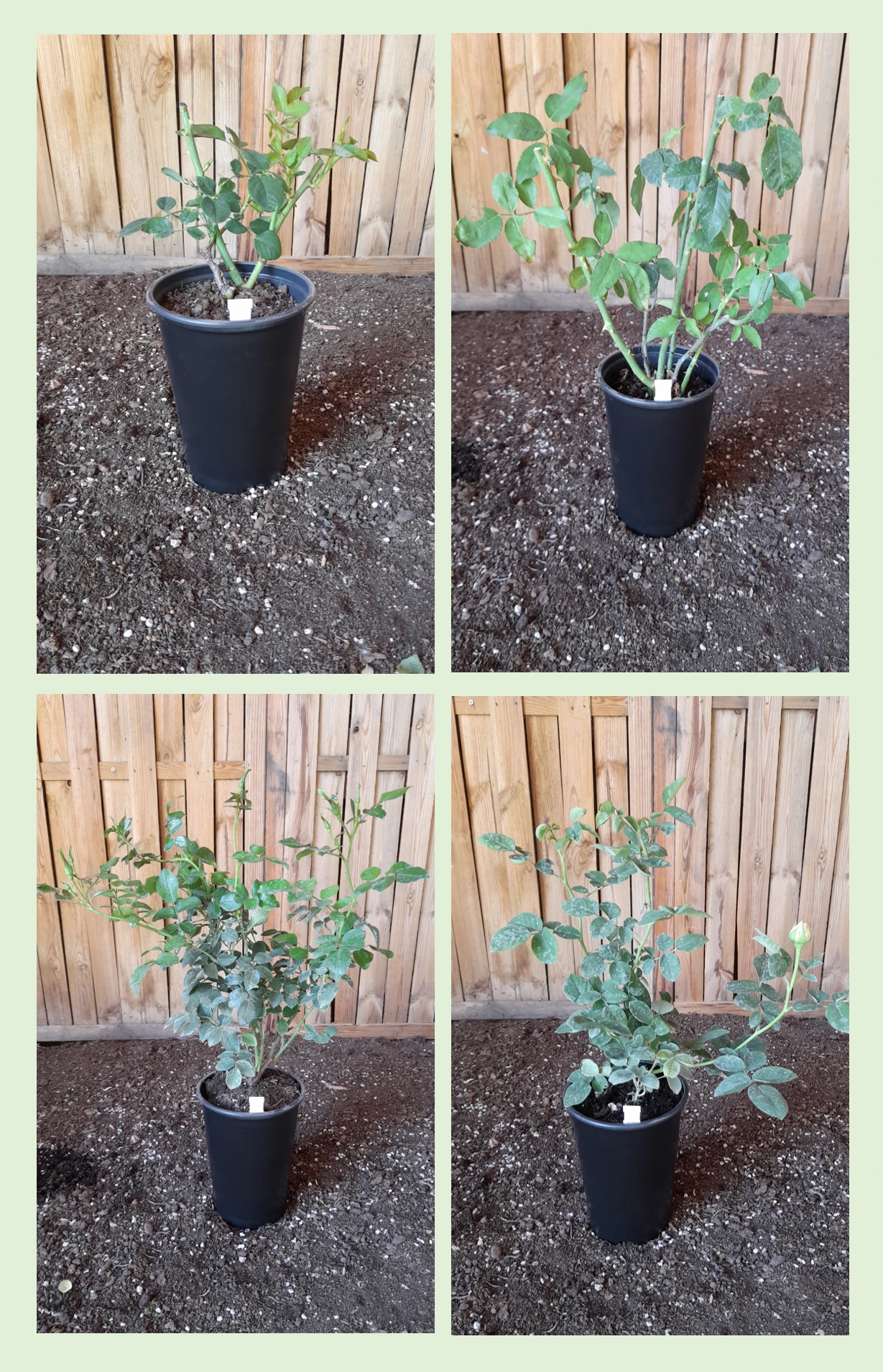
Stock: several varieties and several stages of development in a short stock section.Shoot system: intensive growth of fresh basal shoots on a young plant.Root system: presentation of the strong root system interwoven through the growing medium with the pot removed.Balance: mature plant where the development of the root system and the shoots is in harmony.
Information about the videos
The video series is not a “seasonal showcase”, but makes the essence of pharmaROSA® own-root production tangible: how the plant is built, what the root system is like and how the shoots renew themselves. The footage was therefore taken at different times, showing plants at different stages of development, so mixed leaf coverage or differing growth stages may appear in the videos. This is not a “sample” of the batch delivered, but an illustration of how the technology works. The current condition of the rose available to order — typical of the given period and similar to what you can expect to receive in the parcel — is shown at the top of the product page.
Pages for private customers Garden roses for the family garden, with minimal care → ORIGINAL® Premium garden roses – instant impact, a truly showpiece garden → EXTRA® Pages for professionals and private customers Roses for public spaces – large areas, sustainable maintenance → NATURAL® Roses for projects – hedge and row planting, fast implementation → RAPID® For professional partners only Production – propagation material for garden roses, wholesale → NEONATAL®
Company details
PharmaRosa Ltd. Company registration number: 01-09-717479 VAT number: 13075314-2-43 Plant health registration no.: HU130721 Bank account (IBAN): HU85117631891388688400000000 BIC (SWIFT): OTPVHUHB Bank name: OTP Bank Nyrt.