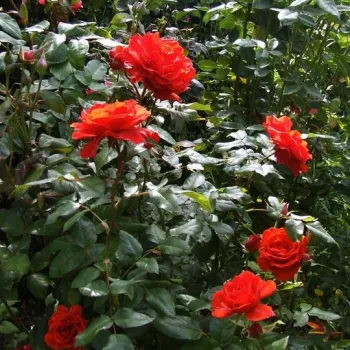
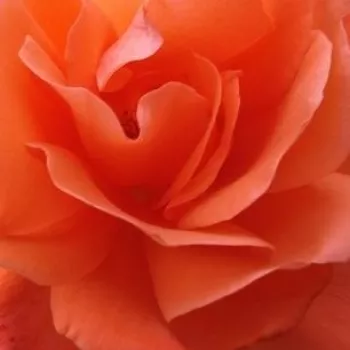
ALEXANDER™ – orange-red hybrid tea rose – Harkness
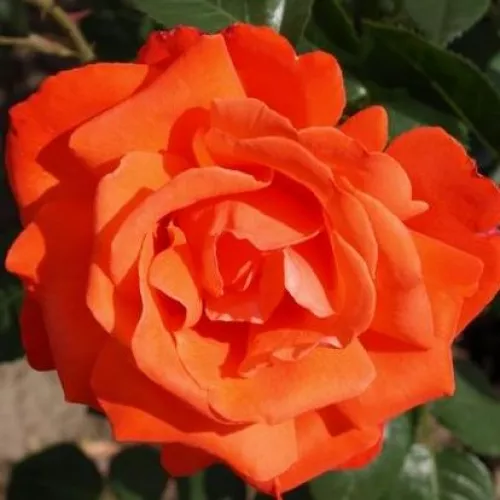
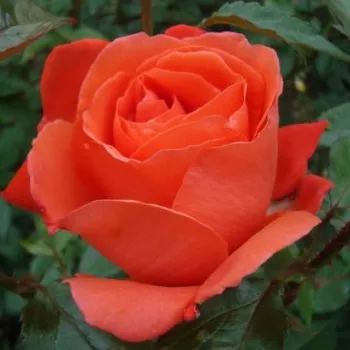
If You would like a rose that gives a reliable show without complicated gardening, ALEXANDER™ brings stately hybrid tea blooms in a clear, glowing orange-red that stay vibrant for weeks and fade slowly to a softer salmon-orange. Its upright, balanced habit makes it ideal where You need structure in a small front garden or along a path, coping well even with humidity and the kind of damp, changeable weather that many Irish gardens know too well. Each double, high-centred flower is perfect for cutting into vases, while the plant’s own-root strength supports a long lifespan in the same spot, regenerating steadily over the years. You get a proven, award-winning classic that works as a focal shrub or in a small group, with medium-care routines that suit hobby gardeners who want impact without fuss. Expect it to root in well in year one, build strong shoots and flower more in year two, and then reach its full ornamental potential from about year three onwards.
Use cases
| Target area | Reason |
|---|
| Front garden focal point |
The tall, upright shrub and well-shaped hybrid tea blooms create a clear focal point beside a doorway or along a drive, giving structure without needing elaborate pruning, ideal for the average Irish family home with limited time for care for the beginner |
| Small group planting in beds |
Planting 3–5 bushes together at the recommended spacing builds a balanced, medium-density shrub group that looks full but not overgrown, providing a long-lived, own-root display that repays simple seasonal feeding and deadheading for the homeowner |
| Cutting patch near the kitchen door |
Alexander produces classic, medium-sized, high-centred blooms on long stems that are easy to cut, so a short row near the house can keep vases filled all summer, letting You enjoy garden colour indoors without needing a large or complicated rose border for the urbanite |
| Formal border with mixed perennials |
The strong orange-red flowers stand out against light green foliage and pair well with white obedient plant or crocosmia, giving a tidy vertical accent that slots neatly into mixed borders in small gardens and stays manageable with normal, medium-level upkeep for the planner |
| Feature rose in a 40–50 litre container |
In a generous 40–50 litre pot on a sunny terrace or by a front step, the upright habit and remontant flowering deliver season-long colour, provided drainage and watering are managed steadily to suit wet, windy spells and milder winters for the balcony-owner |
| Coastal or exposed suburban sites |
The variety’s proven garden merit and resilient growth cope well with breezier, more exposed positions, provided drainage is reasonable, offering dependable flowering even where Atlantic winds and frequent rain challenge more delicate roses for the coast-gardener |
| Low-maintenance specimen in a lawn |
Used as a solitary shrub at about 110 cm spacing from other plants, Alexander forms a clear, upright silhouette that is easy to mow around, with pruning largely limited to annual shaping and deadheading, keeping lawn-centre planting simple for the busy |
| Long-term family garden investment |
As an own-root hybrid tea with medium disease resistance, this rose settles in over the years, building a stable framework of shoots rather than relying on a delicate graft, so it remains an attractive, reliable feature with straightforward routines for the family |
Decorating ideas
- Cottage glow – Combine Alexander with crocosmia and soft grasses for a warm orange-red and amber haze that echoes traditional rural cottage gardens – perfect for those who like a relaxed, romantic style.
- Front-door welcome – Place a single shrub in a 40–50 litre pot by the entrance, underplanted with trailing lobelia for blue contrast against the vivid blooms – ideal for small urban front gardens.
- Classic cutting strip – Line a sunny path with a short row of Alexander, spaced for easy access, so You can pick high-centred stems for the house all summer – suited to homeowners who enjoy fresh bouquets.
- Formal accent – Set Alexander at regular intervals in a low perennial border, pairing with white Physostegia and clipped evergreen shapes to underline its upright form – good for gardeners who prefer a tidy, structured look.
- Sunset corner – Create a warm-toned corner bed with Alexander, apricot roses and cream perennials, allowing the colour-retentive blooms to anchor the scheme from summer into autumn – appealing to lovers of evening garden colour.
Technical cultivar profile
| Property | Data |
|---|
| Name and registration |
Hybrid tea rose, shrub type; registered as HARlex, traded as Alexander™ Hybrid tea rose HARlex; ARS exhibition name Alexander; named in honour of Field Marshal Harold Alexander. |
| Origin and breeding |
Bred by Jack L. Harkness, R. Harkness Roses & Co. Ltd., UK; cross of ‘Tropicana’ × (‘Ann Elizabeth’ × ‘Allgold’); introduced and registered in 1972 as a premium garden and exhibition hybrid tea. |
| Awards and recognitions |
RNRS Certificate of Merit 1972; ADR classification 1974; Hamburg and Belfast Gold Medals 1973–1974; Best Hybrid Tea 1974; further merit awards including RHS/RNRS Award of Garden Merit 1993. |
| Growth and structure |
Upright, tall shrub 145–195 cm high and 85–115 cm wide, with moderately dense, light green foliage and dense prickling; forms a balanced, vertical presence suitable for beds, borders and specimen planting. |
| Flower morphology |
Double, high-centred, cupped blooms with 26–39 petals, usually solitary on stems; medium flower size around 1.5–2.75 inches; repeat-flowering with an abundant second flush in suitable conditions. |
| Colour and phenology |
Vivid orange-red overall with vermilion and slightly redder centres; colour holds very well, slowly fading to a softer salmon-orange pastel towards petal edges as the bloom ages in the garden. |
| Fragrance and aroma |
Soft, mild scent with a delicate rose character; not strongly perfumed but pleasant at close range, complementing its visual impact without dominating nearby seating or open windows. |
| Rose hip characteristics |
Hip set is generally limited because of its full double flowers; when present, produces small egg-shaped, orange-red hips around 12–18 mm in diameter, mainly of ornamental rather than wildlife value. |
| Resistance and hardiness |
Hardy to about −21 to −18 °C; RHS H7; USDA zone 6b; good resistance to powdery mildew and black spot, moderate susceptibility to rust; tolerates warm spells but needs watering in prolonged drought. |
| Horticultural recommendations |
Suited to beds, specimen shrubs, small hedges and cutting gardens; medium maintenance with regular feeding and deadheading; spacing 70 cm for masses, 60 cm for hedging, 110 cm as a solitary feature plant. |
ALEXANDER™ offers vivid colour, upright structure and reliable cutting blooms on a long-lived own-root shrub that establishes steadily for years of easy-care enjoyment, so You can choose it with confidence for Your garden.