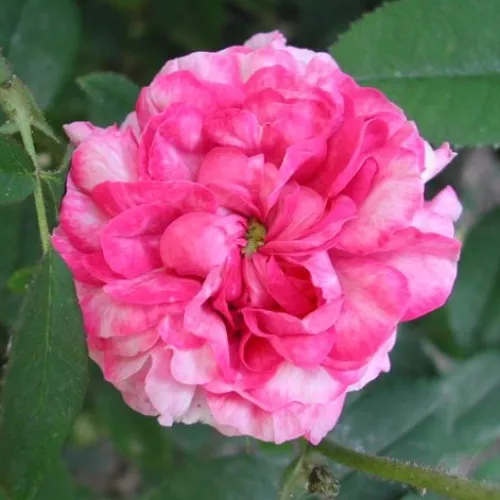
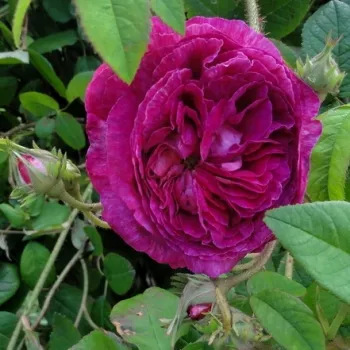
AMBROISE PARÉ – pink historical Gallica rose - Vibert
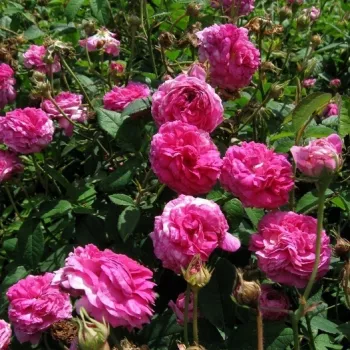
With its richly marbled violet-pink blooms and strong, spicy perfume, AMBROISE PARÉ brings a touch of old-world romance to your garden while coping well with humid Irish conditions and careful planting in heavy soils. This historic Gallica forms a tall, bushy, upright shrub, giving you impressive structure and a long-lived presence as it settles in over the years. Once-blooming in early summer, it rewards you with a concentrated flush of flowers that self-clean neatly, keeping beds orderly with minimal deadheading. As an own-root, 2-litre pharmaROSA ORIGINAL plant, it is already well rooted, so you can simply plant and let it grow, knowing it will mature into a stable, balanced specimen over time. In year one it focuses on roots, in year two you see stronger shoots, and by year three the full ornamental effect appears. Its medium maintenance needs mean occasional pest checks and regular watering in dry spells, but no complex rose-show regime – just straightforward, reliable care for homeowners who appreciate heritage character without fussy gardening. Ideal for modest front gardens, cottage-style borders and small groups of 1–5 plants, it partners beautifully with low evergreen edging and shade-tolerant groundcovers to frame its once-a-year summer display.
Use cases
| Target area | Reason |
|---|
| Front garden focal shrub |
The tall, bushy, upright habit creates an immediate vertical accent near your doorway or front boundary, giving a mature, established feel without needing intricate pruning skills, ideal for the beginner |
| Cottage-style summer feature bed |
Its once-a-year, abundant early-summer flowering with richly marbled historic blooms delivers a classic cottage-garden moment, perfect if you prefer one strong seasonal show and low fuss for the rest of the year, suiting the homeowner |
| Small group planting (1–3 roses) |
Planting a small group allows the bushy form and height to knit together into a softly structured backdrop that looks full yet not overpowering in an average family garden, encouraging the relaxed gardener |
| Mixed border with shrubs and perennials |
The moderately dense, matt mid-green foliage and upright framework blend well with herbaceous perennials and low shrubs, giving you a long-lived backbone in mixed borders without the need for constant reshaping, supporting the practical planner |
| Flowerbed with easy maintenance |
Good self-cleaning means most petals fall away on their own, so the bed remains tidy after flowering with far less deadheading, helpful if you want a neat look but only have time for occasional weekend care as a busy owner |
| Historic or period-themed garden corner |
As a genuine 19th-century Gallica from Vibert, it suits heritage schemes and traditional layouts, offering authenticity and longevity so you can establish a planting that will endure gracefully for years, reassuring the heritage-minded collector |
| Partial-shade side border |
Its tolerance of partial shade lets you use it where sun is limited for part of the day, such as along walls or side paths, making awkward spaces productive with flowers and scent, easing choices for the space-aware urbanite |
| Clay-soil family garden bed |
Once properly planted with improved drainage, it adapts well even in typical heavier Irish soils, maintaining a stable shrub over time despite a wet, soft climate, giving confidence to the cautious beginner |
Decorating ideas
- Cottage Front Welcome – Pair AMBROISE PARÉ with lavender and soft pink campanulas along a low picket fence for a romantic entrance that peaks in early summer – ideal for lovers of traditional cottage style
- Historic Rose Corner – Combine it with box honeysuckle edging and a vintage bench to create a quiet reading nook scented with its strong spicy fragrance – perfect for heritage enthusiasts
- Structured Family Border – Use the tall, upright shrub as a backdrop, underplanted with golden cinquefoil and Japanese spurge to keep the base green and tidy all year – great for busy families wanting order
- Shady Side Glow – In a partial-shade side bed, team it with hydrangeas and ferns so the vivid lilac-pink flowers stand out against lush foliage – suited to small urban gardens with limited sun
- Seasonal Showpiece Trio – Plant three roses in a gentle arc with low rosemary and nepeta in front for a simple, once-blooming summer display that needs only light upkeep – good for new gardeners
Technical cultivar profile
| Parameter | Data |
|---|
| Name and registration |
AMBROISE PARÉ, historic Gallica rose from the Heritage rose collection; unregistered cultivar used under its traditional trade name in gardens and collections. |
| Origin and breeding |
Bred by Jean-Pierre Vibert in France around 1845, introduced in 1846; parentage unknown, representing classic Gallica breeding from early nineteenth-century French rose culture. |
| Growth and structure |
Bushy, upright shrub reaching about 150–210 cm in height and 80–120 cm spread, with moderately dense, matt mid-green foliage and dense prickliness along the canes. |
| Flower morphology |
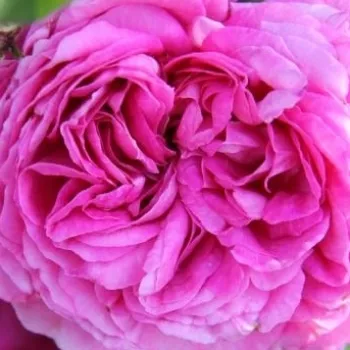
Medium-sized, very double, rosette-type flowers in clustered inflorescences, usually more than 40 petals per bloom, providing a full, richly textured historic rose appearance in early summer. |
| Colour and phenology |
Base colour vivid lilac-pink with mauve tones, marbled and striped; opens purplish-pink, then softens to pastel pink and silvery-lilac, finally lightening markedly, sometimes to near whitish pink. |
| Fragrance and aroma |
Strong, distinctly scented rose with a spicy character typical of old Gallicas, providing a noticeable perfume around the plant, especially in still, mild early-summer weather conditions. |
| Rose hip characteristics |
Hip set generally poor due to very double flowers; when produced, spherical bright red hips about 10–15 mm across add modest late-season interest for observant gardeners. |
| Resistance and hardiness |
Winter hardy to about −32 to −29 °C (USDA 4b, RHS H7); moderate disease resistance with good black spot resistance but some susceptibility to powdery mildew and rust in humid seasons. |
| Horticultural recommendations |
Best in flowerbeds, parks or as a specimen; suitable for partial shade. Allow 85–95 cm for hedging or mass planting, 170 cm as a specimen; prefers regular watering and occasional pest and disease checks. |
AMBROISE PARÉ offers tall, structural growth, a concentrated summer flowering display and a long-lived, own-root shrub that slowly stabilises in your garden; consider it if you want easy character and heritage charm without complex care