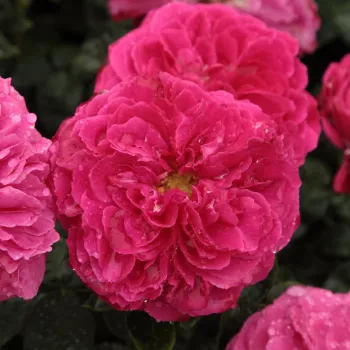
Mary Rose – pink English shrub rose (AUSmary)
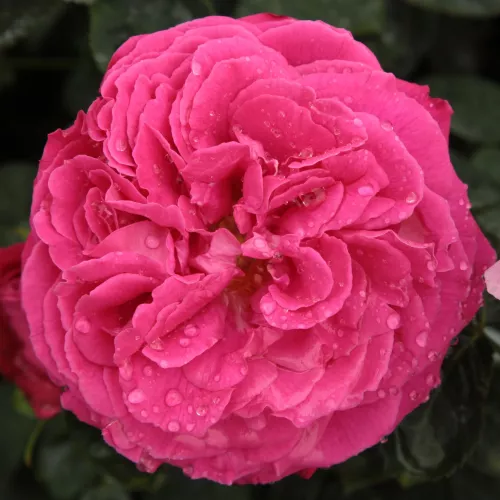
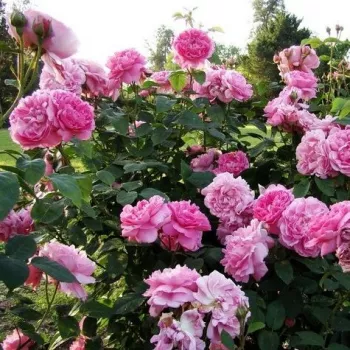
If You dream of a romantic English rose that simply settles in and performs, Mary Rose is a trustworthy choice for Irish family gardens. Its bushy habit and rounded, medium-tall growth make it naturally shrubby and easy to fit into front gardens, mixed borders or cottage-style beds. Clusters of richly petalled, rosette blooms repeat through the season in a pink that gently softens as the flowers age, creating a constantly changing display. The strong, honey-fruity fragrance brings classic English rose charm with every flush of flowers, even in partial shade near walls or paths. As an own-root plant in the pharmaROSA® ORIGINAL 2-litre pot, it is already well established when it reaches You, so You simply plant, water and let it grow, while the roots build first, then the shoots strengthen, and by year three the bush shows its full ornamental value. Over time it shapes itself to Your garden, coping reliably with Ireland’s moisture and the challenges of humidity-driven fungal pressure when given reasonable care. The moderately thorny stems and glossy, mid-green foliage form a tidy hedge line or backdrop, while the well-sized flowers hold up well in rain. Mary Rose is ideal if You want a long-lived, medium-maintenance rose that rewards simple, regular care with generous rebloom and a sense of romance around Your home. Combine with classic partners like lavender, hydrangeas or cottage perennials for a timeless, welcoming look that suits both urban front gardens and rural cottages, giving You confidence even if You are still a beginner with roses.
Use cases
| Target area |
Reason |
| Front garden focal shrub near the entrance |
Compact, bushy growth and repeat-flowering clusters of rosette blooms create an inviting focal point close to the front door, offering classic English rose character without needing specialist pruning skills for the homeowner |
| Low, informal flowering hedge along a path or boundary |
Height around 110–170 cm and moderately dense foliage allow Mary Rose to form a soft, flowering hedge; regular trimming and occasional deadheading keep a neat line that suits family paths and driveway edges for the family-gardener |
| Romantic cottage-style bed with traditional perennials |
Very full pink rosette flowers and strong fragrance blend perfectly with cottage companions such as low catmint, baby’s breath and echinacea, giving a nostalgic, rural feel in even modest spaces for the cottage-lover |
| Mixed border in partial shade near walls or fences |
Good tolerance of partial shade and medium height let it sit comfortably in front of taller shrubs or fences, maintaining flower production where sun is limited for part of the day for the urban-gardener |
| Specimen rose as a scented highlight by seating areas |
Strong, honey-fruity fragrance and repeat flowering make it ideal beside a bench or patio where the scent can be appreciated at close quarters, while the rounded habit remains visually soft and welcoming for the scent-seeker |
| Container planting on sheltered patios or balconies |
Performs well in a large container of at least 40–50 litres, where good drainage and regular watering support flowering; ideal for paved spaces or rented homes where permanent beds are limited for the balcony-owner |
| Long-term planting in beds with reliable, balanced structure |
As an own-root shrub it builds a stable framework and can regenerate from the base, giving a long lifespan and dependable structure with sensible care, adapting steadily to Your soil and routine for the planner |
| Beds in wetter gardens with fungal pressure concerns |
Moderate disease resistance with good black spot tolerance helps it cope in Irish gardens where damp weather and still air increase infection risks, supporting easier care under typical local humidity patterns for the busy-gardener |
Decorating ideas
- Cottage Front Edge – Plant Mary Rose in a gentle curve along a low picket fence with low catmint and baby’s breath for a frothy, romantic edge – ideal for cottage-style enthusiasts
- Pink Entrance Welcome – Flank the front door with two large containers of Mary Rose underplanted with trailing ivy and white lobelia – perfect for homeowners wanting a polished but easy-care welcome
- Benchside Perfume Corner – Position a single shrub beside a garden bench, backed by hydrangeas and framed with lavender for season-long scent and colour – great for those who like evening relaxation outdoors
- Soft Hedge Border – Create a loose hedge of Mary Rose along a path, interspersed with clumps of echinacea and ornamental grasses – suited to families wanting gentle structure without formal lines
- Small Mixed Bed Focus – Use Mary Rose as the central shrub in a 3×3 m mixed bed with spring bulbs and summer perennials in pinks and creams – ideal for beginners seeking a reliable, pretty focal point
Technical cultivar profile
| Parameter |
Data |
| Name and registration |
Mary Rose (AUSmary), English shrub rose from the English Rose Collection; registered cultivar name AUSmary, ARS exhibition name Mary Rose, commercial romantic English rose type |
| Origin and breeding |
Bred by David C. H. Austin, United Kingdom; parentage ‘Wife of Bath’ × ‘The Miller’; introduced and registered in 1983, distributed by David Austin Roses Ltd |
| Awards and recognitions |
Holder of the RHS Award of Garden Merit since 1993, indicating reliable garden performance, good flowering, and sound overall quality under average British and Irish garden conditions |
| Growth and structure |
Bushy shrub 110–170 cm high and 90–130 cm wide, moderately thorny, with mid-green, moderately dense, glossy foliage; forms a rounded, full bush suitable for beds, hedges and specimen use |
| Flower morphology |
Large, very full double rosette blooms with 40+ petals, borne mainly in clusters; repeat-flowering with a good second flush, providing extended seasonal display from early summer to autumn |
| Colour and phenology |
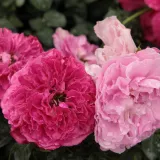
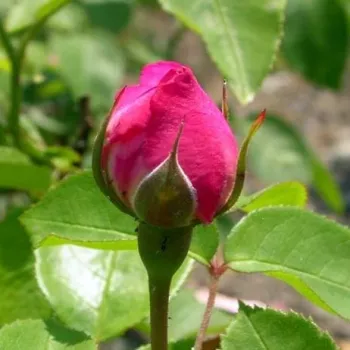
Even medium pink flowers with a slightly warm tone; buds darker mid-pink, opening to mid-pink, then fading softly lighter, with inner petals and edges gently paler as the bloom ages |
| Fragrance and aroma |
Strong, distinctive scent with honey-fruity and classic rosy notes; fragrance noticeable in the garden and particularly effective beside paths, seating areas or doorways where air movement is gentle |
| Rose hip characteristics |
Hip set is generally low due to very double flowers, though occasional orange, bottle-shaped hips 18–26 mm in diameter may appear late in the season on some shoots |
| Resistance and hardiness |
Hardy to about −26 to −23 °C (RHS H7, USDA 5b, Swedish zone 4); disease resistance moderate overall, with good black spot resistance and moderate susceptibility to mildew and rust in humid weather |
| Horticultural recommendations |
Suited to beds, hedges, containers and specimen planting; spacing 85–170 cm depending on use; prefers well-drained soil, regular watering in dry spells, some frost protection and light, periodic plant protection |
Mary Rose offers romantic pink, strongly scented blooms, a bushy, hedge-forming habit and long-lived own-root reliability, giving You a classic English shrub rose that fits gracefully into everyday Irish gardens, should You wish to add it.