BLUE PETER™ – purple dwarf-mini rose - De Ruiter
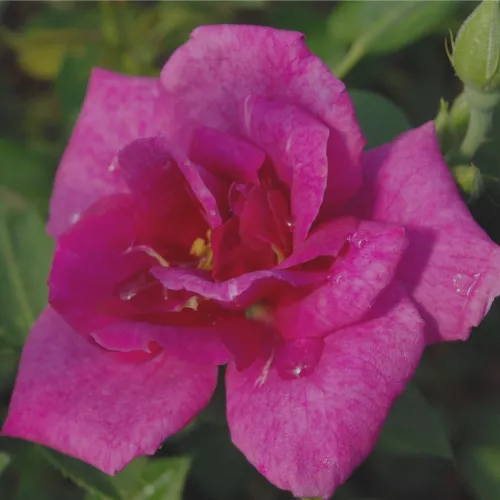
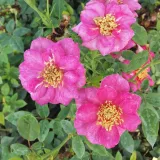
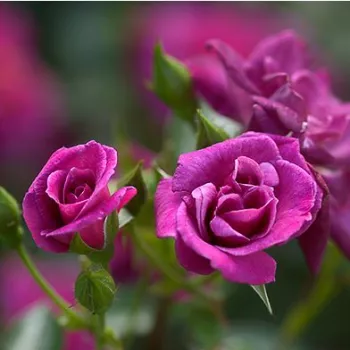
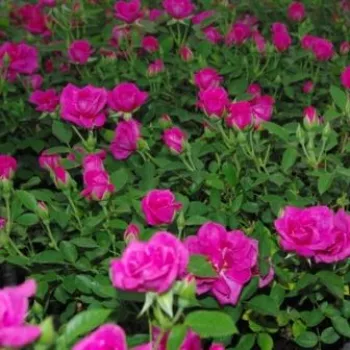
If You would like a small rose that simply fits into an everyday Irish garden, BLUE PETER™ offers a reliably compact shape, abundant clusters of lilac blooms and easy-care health that copes well with our cool summers and periods of humidity. Its neat size makes it a natural choice for front edges, cottage-style paths and low borders where You want colour without juggling complicated pruning. In its 2‑litre pot it arrives well rooted and ready to settle, forming a long‑lived own‑root bush that bounces back strongly after winter. With a soft, musky fragrance and double flowers that refresh themselves with moderate self-cleaning, it needs only basic deadheading and watering. Over time its own-root character helps it stay balanced and reliable: in year one it concentrates on roots, in year two on more shoots, and by year three You can enjoy its full ornamental value.
Use cases
| Target area |
Reason |
| Low border along a front path |
The naturally compact growth and 35–45 cm height create a tidy edging that stays in scale with small Irish front gardens, giving lilac colour without blocking windows or views, ideal for the careful but time-poor homeowner |
| Small rose group by the doorstep |
Planted in groups of three to five, the clustered, repeat-flowering blooms give a long season of colour at the entrance, so You get a welcoming look from spring to autumn with minimal pruning for the occasional visitor |
| Easy-care family bed with perennials |
Good resistance to black spot, mildew and rust keeps the foliage fresh in wetter seasons, helping the rose stay attractive beside hardy perennials without spray routines, reassuring for the busy family-focused gardener |
| Urban courtyard or patio container |
The dwarf habit suits large containers; in a 40–50 litre pot with drainage it forms a stable, own-root bush that responds well to regular watering, ideal for compact city terraces and balconies tended by the modern urbanite |
| Cottage-style planting near seating |
The medium, musky fragrance and soft lilac tones sit beautifully near benches or seating areas, offering gentle scent on still evenings without overwhelming small spaces, appreciated by the relaxed evening-garden enthusiast |
| Neat edge to vegetable or herb beds |
Its modest spread and moderate prickliness allow it to mark out the edge of productive beds without encroaching too far, combining ornament and structure in places often seen daily by the practical kitchen-garden owner |
| Coastal or exposed front gardens |
The compact framework and resilient foliage cope well where wind can be an issue and soil may stay damp, helping the plant manage our moist, breeze-swept Atlantic-influenced conditions, supportive for the weather-conscious coastal resident |
| Low-maintenance mixed rose border |
Reliable remontant flowering and moderate self-cleaning mean fewer deadheading rounds while still keeping the bush neat, so colour continues through the season with simple care, encouraging for the less-experienced rose beginner |
Decorating ideas
- Lavender Edge Harmony – line a path with BLUE PETER™ and low lavender for a lilac-on-lilac ribbon of scent and soft colour – suited to relaxed, fragrance-loving homeowners
- Cottage Front Trio – plant three roses by a doorway with white Alyssum weaving between for a pretty, storybook entrance – ideal for small cottage gardens and village homes
- Patio Pot Jewel – grow one bush in a 40–50 litre terracotta pot with trailing thyme around the rim for a compact, easy-care focal point – perfect for balcony and townhouse gardeners
- Lilac & Gold Contrast – combine with Hypericum patulum ‘Hidcote’ so yellow blooms set off the lilac roses in a long-season border – great for colour-conscious family gardens
- Neat Mixed Border – intersperse BLUE PETER™ with dwarf grasses and small hydrangeas to create a gently textured, low-maintenance edge – appealing to busy people wanting order and softness
Technical cultivar profile
| Parameter |
Data |
| Name and registration |
Miniature rose, registered as RUIblun, marketed as BLUE PETER™ – purple dwarf-mini rose; American Rose Society exhibition name Blue Peter; part of the Mini – dwarf rose collection. |
| Origin and breeding |
Bred by Gerrit De Ruiter (De Ruiter Innovations B.V., Netherlands) from ‘Little Flirt’ × unknown seedling, introduced and registered in 1983, first distributed by Fryer’s Roses in the United Kingdom. |
| Growth and structure |
Compact, dwarf shrub 35–45 cm high and 30–40 cm wide, moderately thorny, with light green, slightly glossy foliage of medium density, forming a neat, rounded miniature bush under normal garden care. |
| Flower morphology |
Small, double, cup-shaped blooms (0.5–1.5 in) with 26–39 petals, usually borne in clusters; remontant habit with a first flush followed by an equally abundant second flowering and further intermittent repeats. |
| Colour and phenology |
Mid-tone lilac with a silvery undertone; buds deep violet-purple, fresh blooms lavender-purple, fading through soft lilac to pastel lilac with rosy-grey edges, lightening further in strong sunlight over the season. |
| Fragrance and aroma |
Medium-strength scent, noticeable at close range, with a soft, musky character; fragrance holds best in mild, calm weather and is particularly pleasant near seating areas or paths where plants are easily approached. |
| Rose hip characteristics |
Occasional small spherical orange-red hips, 5–7 mm in diameter; decorative but not especially abundant, adding a modest autumn accent when flowers are not deadheaded for continued blooming. |
| Resistance and hardiness |
Very good resistance to powdery mildew, black spot and rust; reliably hardy to approximately −21 to −18 °C (RHS H7, USDA 6b, Swedish zone 3), suitable for typical Irish winter and shoulder-season conditions. |
| Horticultural recommendations |
Best in a sunny position with well-drained soil; spacing 25–55 cm depending on use; suitable for beds, borders, low hedging and containers of at least 40–50 litres, with moderate watering in extended dry spells. |
BLUE PETER™ gives compact lilac clusters, strong disease resistance and reliable repeat flowering as a long-lived own-root rose that settles deeply into your garden, so You can plant with confidence and decide if it is the right fit for you.