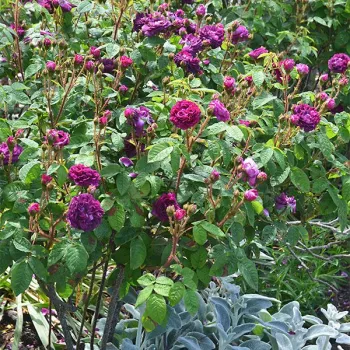
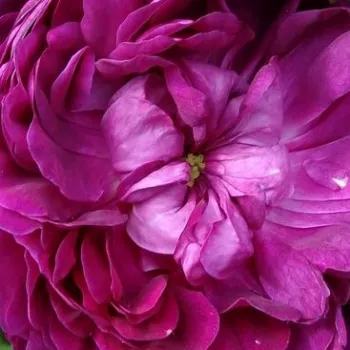
CAPITAINE JOHN INGRAM – crimson-purple historic moss rose - Laffay
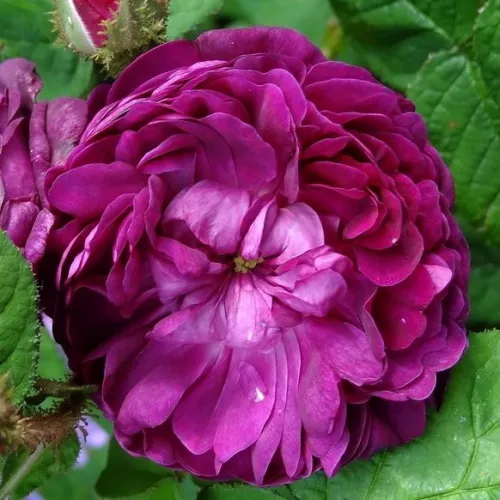
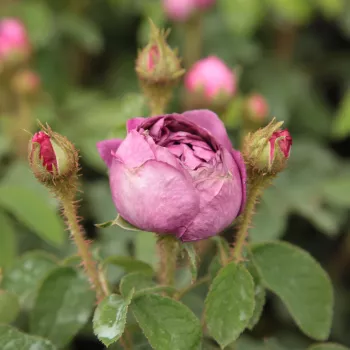
If You dream of a richly coloured, romantic rose with real old‑world character, Capitaine John Ingram offers lush, once‑a‑year summer displays of velvety, crimson‑purple blooms that turn a small front garden or cottage border into a period scene. The strongly double flowers are intensely perfumed with a deeply spicy, garden‑filling scent, so even a single shrub becomes a fragrant highlight by your path or terrace. As an own‑root plant it settles in steadily, rewarding You with a long‑lived shrub that regenerates well and fits naturally into established planting schemes. It appreciates simple, sunny positions, copes reliably with our damp Irish seasons and the associated fungal pressure typical of a wet climate when given regular care. In the first year it focuses on roots, in the second on strong shoots, and by the third season You can enjoy its full, dramatic ornamental value in your family garden, park‑style corner or heritage‑inspired bed. Plant it in a generous border, give it room to develop its bushy, slightly spreading habit, and it will form an atmospheric focal point with matt, mid‑green foliage that sets off the dark blooms. In larger plots it works well as a specimen or in a small group where its colour, fragrance and mossy buds can really be appreciated up close, while its robust framework and frost hardiness down to typical Irish winter lows support a long lifespan. With thoughtful spacing and drainage in heavier soils, this heritage moss rose becomes a character plant You can enjoy for decades, especially if You are happy to combine its beauty with a regular protection and pruning routine suited to traditional roses. For enthusiasts of history and perfume, it is an easy rose to fall in love with and to build a planting around.
Use cases
| Target area | Reason |
|---|
| Feature shrub in a cottage‑style front garden |
The dramatic, deep crimson‑purple flowers and bushy, slightly spreading habit create a classic cottage‑garden focal point near the front door or gate, where their historic character and form can be admired by visitors and neighbours, ideal for homeowners |
| Perfumed seating area or terrace border |
The extremely strong, garden‑filling spicy fragrance is best enjoyed close to seating, so planting beside a bench or terrace enriches summer evenings and makes even a small urban space feel indulgent, particularly rewarding for beginners |
| Historic or period‑style mixed rose bed |
As a moss rose introduced in 1854, it fits perfectly into historical or heritage‑themed plantings, adding authenticity and a sense of continuity that appeals to gardeners who like to collect and curate old varieties, especially collectors |
| Specimen rose in a small lawn or courtyard |
Given 150 cm spacing, its moderate height and arching framework stand well alone, so a single plant can act as a sculptural specimen in grass or gravel, drawing the eye when in bloom and providing structure year round for design‑lovers |
| Traditional shrub border with shrubs and perennials |
The matt, mid‑green foliage and upright, bushy growth slot easily into mixed borders with hardy shrubs and perennials, giving reliable framework and seasonal drama without demanding complex layout changes, helpful for busy‑gardeners |
| Rural garden with damp, heavy soil |
When planted with improved drainage in heavier Irish soils, this hardy shrub rose copes with cool, moist conditions and the kind of wind‑driven, fungus‑favouring weather common along Atlantic‑influenced areas, reassuring for rural‑owners |
| Cut‑flower use from a home cutting patch |
The medium‑sized, double, velvety rosette blooms with intense colour and fragrance make memorable, short‑stemmed cut flowers for the house, giving You a personal supply of old‑fashioned, perfumed roses, much appreciated by flower‑fans |
| Long‑term structural planting in larger gardens or parks |
As a hardy, own‑root shrub that forms its permanent framework in place, it can be planned as part of long‑lived structural plantings, gradually maturing into a stable, characterful rose that rewards patient, future‑minded gardeners |
Decorating ideas
- COTTAGE ENTRANCE ARC – Place Capitaine John Ingram near a front gate, underplanted with lavender and catmint for soft blue contrast and scent layering – for lovers of traditional cottage approaches
- PERFUMED BENCH BORDER – Plant beside a garden bench with white hydrangeas and soft grasses to let the dark blooms and rich fragrance dominate evening sitting areas – for those who unwind outdoors after work
- HISTORIC MIXED SHRUBBERY – Combine with lilacs, shrubby cinquefoil and old‑fashioned perennials to build a romantic, period shrubbery that looks established and timeless – for admirers of heritage gardens
- SMALL LAWN CENTREPIECE – Use a single shrub in the middle of a small lawn, ringed with low herbs like thyme and chamomile to frame its arching shape – for homeowners wanting an easy focal point
- PARK‑STYLE ROSE PANEL – Arrange a loose group of three shrubs with dark mulch and clipped box or rosemary edging to echo classical park rose beds – for gardeners inspired by formal historic estates
Technical cultivar profile
| Parameter | Data |
|---|
| Name and registration |
Capitaine John Ingram is a historic moss rose, also traded as a heritage shrub; an unregistered variety with American Rose Society exhibition name identical to its trade name. |
| Origin and breeding |
Historic French moss rose bred by Jean Laffay and first distributed by Laffay in 1854; parentage and breeding records are unknown, but it is classed firmly within the old moss rose group. |
| Growth and structure |
Bushy, slightly spreading shrub reaching about 120–190 cm high and 80–120 cm wide; densely thorned stems with moderately dense, matt, mid‑green foliage giving a solid, traditional shrub presence. |
| Flower morphology |
Medium‑sized, double rosette blooms with 26–39 petals, borne mainly solitary on stems; non‑remontant, offering a concentrated main flush once a season for a classic old‑rose summer display. |
| Colour and phenology |
Closed buds are dark velvety crimson; freshly open flowers show deep burgundy‑crimson with lilac tones, ageing to smoky, purplish shades; colour lightens modestly in strong sun but remains impressively deep overall. |
| Fragrance and aroma |
Exceptionally strong, garden‑filling perfume with a deeply spicy character; the scent is one of its main ornamental values and is noticeable at a distance on still days, especially around seating areas or paths. |
| Rose hip characteristics |
Fruit set is usually sparse due to strongly double blooms; when present, hips are small, spherical, 10–15 mm in diameter, in shades of orange‑red, adding a discreet late‑season accent. |
| Resistance and hardiness |
Very susceptible to powdery mildew, black spot and rust, so regular plant protection is recommended; winter hardy to about −26 to −23 °C (RHS H7, USDA 5b, Swedish zone 4) with good frost tolerance. |
| Horticultural recommendations |
Best in full sun with well‑drained soil; spacing 90 cm in beds, 80 cm for hedging, 150 cm as a specimen; maintenance level high, with regular pruning, feeding and fungicide care needed for best performance. |
Capitaine John Ingram offers intensely fragrant, velvety crimson‑purple summer displays on a hardy, long‑lived shrub that matures steadily on its own roots, making it a thoughtful choice if You enjoy caring for a characterful historic rose.