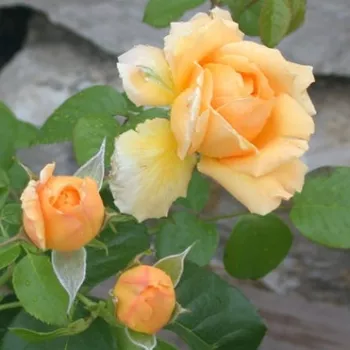
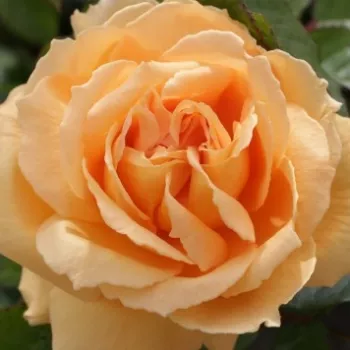
CHEVREUSE – apricot climbing rose – Kordes
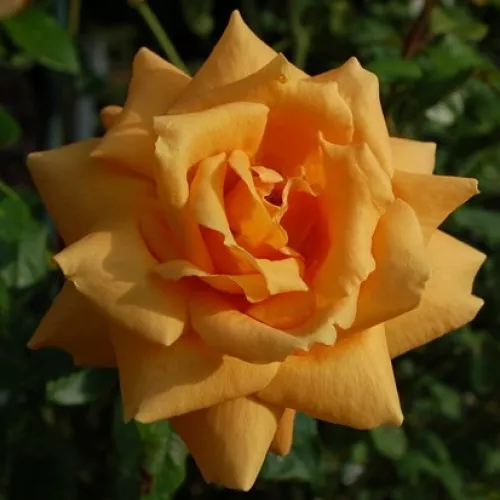
Let CHEVREUSE bring a softly romantic, peach glow to Your garden with its cup‑shaped, double blooms opening in clusters along strong, bushy shoots. This large‑flowered climber repeats flowering generously, so once established You can enjoy wave after wave of colour from early summer into autumn, even in a damp Irish season where good air flow helps it handle our humidity and rainfall. Its dark, glossy foliage makes a rich backdrop for the pastel shades, and the medium height makes it easy to keep within reach for pruning and tying‑in on an arch, trellis or house wall. As an own‑root plant it settles in steadily, developing a long‑lived, balanced framework that can regenerate from its base, giving You many years of stable ornamental value with moderate care. In the first year it focuses on roots, in the second on building shoots, and by the third year it shows its full garden presence in an average family garden.
Use cases
| Target area | Reason |
|---|
| Front garden arch or porch entrance |
CHEVREUSE’s moderate height and bushy, upright habit make it ideal for training over a small arch or beside a doorway, creating a welcoming curtain of apricot blooms without overpowering a typical Irish front garden, perfect for beginners. |
| House wall or sunny fence in a family garden |
With repeat flowering and good colour retention, this climber brings a long season of soft peach and cream shades to a south or west‑facing wall or sturdy fence, giving reliable visual impact from year to year with only seasonal tying‑in, ideal for homeowners. |
| Romantic cottage‑style border backdrop |
The warm, pastel colour and cup‑shaped, double blooms suit cottage‑style planting with perennials and grasses; its glossy dark foliage provides structure at the back of a mixed border while remaining easy to combine with softer tones, appealing to romantics. |
| Small group planting on pergolas |
Planted in a group of two or three along a light pergola, CHEVREUSE knits together into a dense screen thanks to its strong, upright shoots, giving a sense of enclosure and privacy without complex training systems, suited to busy gardeners. |
| Coastal or exposed suburban sites |
The sturdy framework and dense foliage cope well when trained to a solid support in breezier, Atlantic‑influenced gardens, where its reliable repeat flowering still performs despite frequent rain and wind in Ireland’s moist, changeable climate, reassuring for coastal gardeners. |
| Container planting on patios and balconies |
In a minimum 40–50 litre container with good drainage and support, this climber offers vertical colour where border space is limited, its moderate maintenance needs fitting well with smaller urban spaces and evening watering routines, convenient for apartment owners. |
| Long‑term feature rose for settled gardens |
As an own‑root plant, CHEVREUSE forms its permanent structure in place, giving a durable, regenerating framework that matures from root building to full display over three seasons, a sound choice for gardeners planning for the future, including planners. |
| Soft‑coloured hedge or boundary line |
When spaced along a low fence or boundary, its bushy, repeat‑flowering habit provides a loose, flowering hedge with gentle apricot‑to‑cream tones, bringing privacy and charm without looking formal or fussy, attractive for relaxed family‑garden owners. |
Decorating ideas
- Cottage archway – Train CHEVREUSE over a narrow metal arch, underplant with lavender and hardy geraniums for a soft, pastel cottage feel – ideal for lovers of romantic, traditional front gardens.
- Peach patio screen – Grow it in a 40–50 litre pot with a trellis obelisk, combining with rosemary and thyme in nearby containers to create a scented, easy‑care patio – perfect for busy urban balcony and terrace owners.
- Warm fence border – Plant along a sunny timber fence with hydrangeas and ornamental grasses in front, letting the dark foliage and peach blooms rise behind – suited to family gardens needing gentle structure and colour.
- Season‑round feature – Use CHEVREUSE as a focal point on a pergola corner, backed by Cornus sanguinea ‘Midwinter Fire’ for winter stems, so the rose and dogwood share the spotlight across seasons – great for long‑term planners.
- Soft privacy corner – Combine this climber on wires with Boston ivy and shade‑tolerant perennials to clothe a quiet seating nook in layered greens and apricot flowers – appealing to those seeking a calm, private retreat.
Technical cultivar profile
| Parameter | Data |
|---|
| Name and registration |
Climbing rose, large-flowered climber; registered as KORplavi, marketed as Chevreuse – apricot climbing rose – Kordes, with Westfalenpark® as the American Rose Society approved exhibition name. |
| Origin and breeding |
Bred by Reimer Kordes at W. Kordes’ Söhne, Germany, from an unknown parent crossed with ‘Las Vegas’ hybrid tea; breeding and registration year recorded as 1986 for this cultivar. |
| Growth and structure |
Strong, bushy climber with upright shoots, typically 160–240 cm high and 120–200 cm wide; moderately thorny canes and dense, dark green, glossy foliage provide good coverage when trained on supports. |
| Flower morphology |
Large, double, cup-shaped flowers with 26–30 petals; produced mainly in clusters, repeating well through the season so that the abundant second flush extends the overall flowering display in the garden. |
| Colour and phenology |
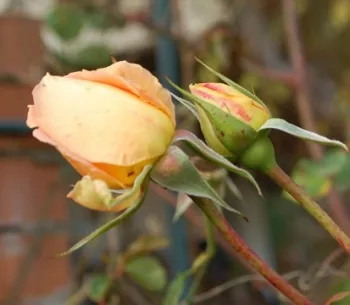
Warm peach to pastel apricot-yellow blooms that gradually fade to creamy, buttery yellow; inner petal surfaces show deeper peach tones, with good colour retention across repeated flushes in typical summer conditions. |
| Fragrance and aroma |
Mild but pleasant fragrance with a fresh, fruity character; subtle enough for planting near seating or entrances without becoming overpowering, while still offering a recognisable scented-rose impression on warm days. |
| Rose hip characteristics |
Forms rose hips only in small quantities due to its double flowers; hips are spherical, around 8–12 mm in diameter, and ripen to an attractive orange-red shade corresponding to RHS colour 33A. |
| Resistance and hardiness |
Hardy to approximately −21 to −18 °C (USDA zone 6b, RHS H7, Swedish zone 3); disease resistance is moderate, meaning some monitoring and occasional treatments for mildew, black spot and rust may be beneficial. |
| Horticultural recommendations |
Allow 150 cm for group planting, 140 cm for hedging, and about 240 cm as a specimen; plant at 0.4–0.5 plants per m², provide a sturdy support, and maintain with moderate pruning and periodic pest and disease control. |
CHEVREUSE – apricot climbing rose – Kordes offers repeat flowering, glossy foliage and a manageable, bushy climbing habit, while its own-root form supports long-term regeneration and stable growth, making it a reassuring choice if You are considering a purchase.