DICK KOSTER™ – pink flowerbed polyantha rose
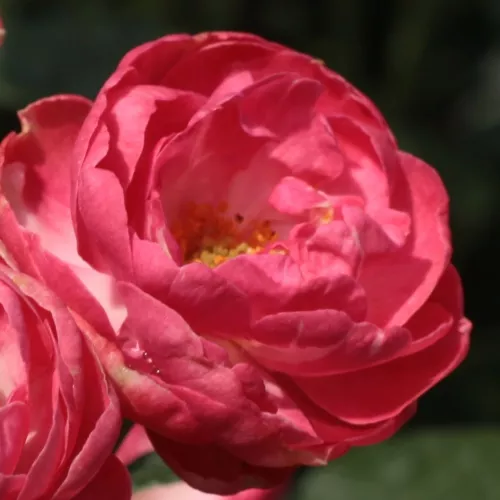
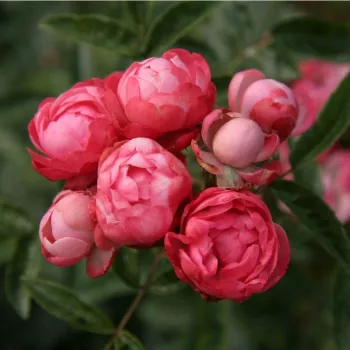
If You would like a neat, reliable front garden rose that does not take over Your free time, DICK KOSTER™ is a compact polyantha that delivers months of tidy clusters of vivid pink pompon blooms on a naturally low, rounded bush. Its dense, glossy foliage and modest height make it ideal for edging paths, driveways and beds in typical Irish family gardens, even where humidity and fungal pressure can be an issue. This own‑root, 2‑litre plant settles in steadily, forming a long‑lived, balanced bush that copes well with everyday garden conditions once established. The small, ball‑shaped flowers appear repeatedly in large clusters, providing a soft, romantic cottage‑style feel without demanding advanced pruning skills. In the first year the roots establish, in the second the shoots fill out, and by the third year the full ornamental value of this rose becomes clear, creating a stable, low hedge or edging that keeps its shape. It is particularly well suited to small groups of 3–5 plants for a structured yet informal look, and also works in larger containers from 40–50 litres on sheltered patios. Choose DICK KOSTER™ if You want a compact, edging, clustered, romantic, reliable, long‑lived rose that simply fits into Your everyday garden.
Use cases
| Target area | Reason |
|---|
| Front garden edging along paths or driveways |
The compact, low growth habit and 35–50 cm height create a tidy, continuous edging that does not overpower narrow spaces while still flowering generously for much of the season, suiting beginners who want an orderly, welcoming entrance front‑garden owners |
| Small flowerbeds near the house |
Its rounded form and repeat clusters of deep pink pompon blooms give a soft, romantic effect in modest‑sized borders, fitting well into Irish cottage‑style planting where wet, mild weather and lingering moisture are common in the growing season busy home gardeners |
| Low, informal flowering hedge (single‑variety row) |
Planted at 30–35 cm intervals, DICK KOSTER™ forms a low, coherent line that reads as a flowering hedge, useful for subtly separating lawn from beds while remaining easy to trim and refresh with simple deadheading when needed family‑garden planners |
| Small groups of 3–5 plants in mixed borders |
The dense foliage and rounded bushes make excellent “blocks” of colour in mixed perennial borders; repeating these small groups ties the planting together visually without complicated design work or intensive maintenance regimes style‑conscious beginners |
| Container planting on patio, balcony or doorstep |
In a 40–50 litre container with good drainage, this compact rose maintains its shape and repeat clusters, offering long‑season colour in paved or gravelled spaces where soil is limited, provided regular watering is given in dry spells urban patio owners |
| Urban green strips and small front lawns |
The modest height, medium disease resistance and remontant flowering suit exposed, everyday situations such as small lawns, parking edges or municipal‑style frontages where simple, robust planting is preferred over delicate show roses low‑maintenance seekers |
| Pollinator‑friendly cottage‑style corners |
Semi‑double flowers attract pollinators moderately while the constant succession of blooms keeps some pollen and nectar available; combine with herbs and perennials for a soft, wildlife‑supporting area without losing structure nature‑minded gardeners |
| Traditional bedding displays and rose parterres |
The cluster‑flowering habit and regular, ball‑shaped blooms lend themselves to classic bedding patterns and formal parterres, giving a refined, old‑fashioned look that remains manageable thanks to its compact growth and own‑root resilience heritage‑style enthusiasts |
Decorating ideas
- Cottage‑style trio – Plant 3–5 DICK KOSTER™ in a loose triangle with panicled phlox for height and baby’s‑breath for airiness – ideal for lovers of soft, romantic cottage gardens
- Neat front edging – Line a path with evenly spaced plants and underplant with low glaucous sedge for a clean, all‑season frame – suited to homeowners who like tidy, structured entrances
- Patio focal pot – Grow one plant in a 40–50 litre terracotta container and surround the base with trailing herbs for scent and texture – perfect for small patios or balconies needing a simple focal point
- Mixed border rhythm – Repeat small groups among hydrangeas and hardy perennials to create stepping stones of pink colour – for gardeners who want easy coherence without design complexity
- Family‑friendly play‑border – Use as a low flowering edge beside lawns, leaving clear access paths and pairing with tough groundcovers – great for families who want flowers without high‑maintenance demands
Technical cultivar profile
| Parameter | Data |
|---|
| Name and registration |
DICK KOSTER™ is a polyantha bedding rose; registered cultivar name Dick Koster, ARS exhibition name Dick Koster, part of the Bedding rose collection and used mainly as a bush, cluster‑flowered exhibition rose. |
| Origin and breeding |
Sport of ‘Anneke Koster’, bred by D. A. Koster & Sons in Boskoop, Netherlands and introduced in 1929; an unregistered cultivar that has remained a classic compact polyantha for traditional bedding schemes. |
| Awards and recognitions |
Recipient of the Polyantha Spray Award from the Raleigh Rose Society (USA) in 2001, recognising its reliable spray performance and attractive, well‑formed clusters in exhibition and garden settings. |
| Growth and structure |
Compact, rounded bush 35–50 cm high with 40–60 cm spread; dense, glossy dark green foliage and moderately thorny stems; self‑cleaning is medium so some spent clusters may need light manual removal. |
| Flower morphology |
Semi‑double, ball‑shaped pompon flowers with 13–25 petals, small size (about 0.5–1.5 inches) borne in large clusters; remontant with particularly abundant second flush, creating a strong bedding effect. |
| Colour and phenology |
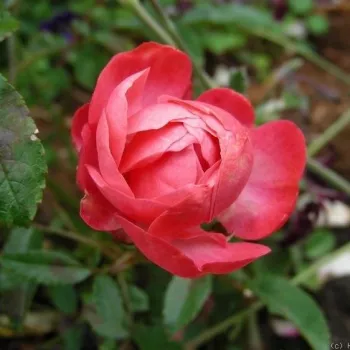
Vivid deep pink with slight raspberry‑red tinge; buds are dark pink, centres briefly paler, then open to even deep pink and gradually fade to a delicate powder‑pink with lighter petal edges before withering. |
| Fragrance and aroma |
Fragrance is very weak and barely perceptible, making this variety best chosen for its visual effect and flower form rather than scent; suitable where strong perfume is not required or might be overwhelming. |
| Rose hip characteristics |
Produces moderate quantities of small, spherical hips 5–7 mm in diameter, coloured orange‑red; decorative in close view but generally secondary to the main ornamental role of the continuous pink flowering. |
| Resistance and hardiness |
Hardy to about −26 to −23 °C (USDA 5b, RHS H7, Swedish zone 4); medium resistance to powdery mildew, black spot and rust, benefiting from good air circulation and occasional plant protection in humid seasons. |
| Horticultural recommendations |
Prefers sunny positions with reasonable drainage; spacing 30–55 cm depending on use, allowing about 8.2–9.4 plants/m² for mass planting; suitable for beds, edging, containers, parks and urban green spaces. |
DICK KOSTER™ offers compact, long‑season clusters of pink blooms, reliable edging structure and the regenerative longevity of an own‑root rose, making it a practical, easy choice if You would like a simple, enduring feature in Your garden.