JACQUES CARTIER – pink historical perpetual hybrid rose - Desprez
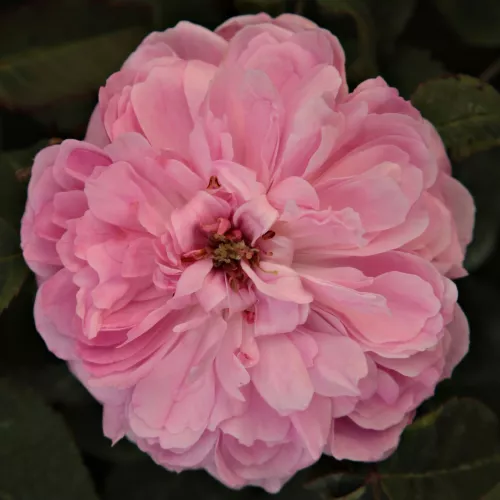
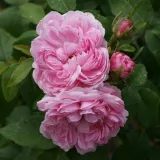
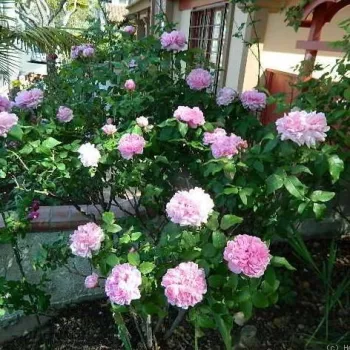
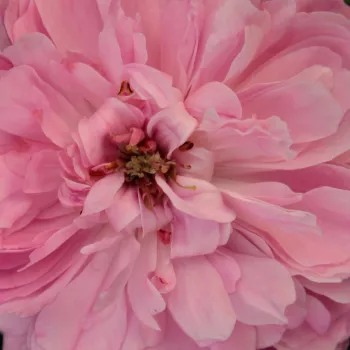
If You dream of a romantic, dependable rose that simply settles in and performs without fuss, Jacques Cartier is made for relaxed Irish gardens. This compact, bushy Portland-type shrub carries exquisite rosette blooms in a soft, nostalgic mid-pink that holds its charm whether Your garden is in full sun or light shade, and it copes gracefully with our cool, damp summers and their frequent showers. The flowers are very double, with that old-world button eye and a fragrance that is strong and lingering, ideal for cutting to enjoy indoors. On its own roots it matures into a stable, long-lived shrub that can regenerate from the base and keep its ornamental value over decades, giving You confidence to invest in a rose with character. Over the first years it roots deeply, then builds sturdy shoots and by the third season rewards You with full, classic shrub presence. With naturally good disease resistance, low routine maintenance and the reassurance of RHS Award of Garden Merit, this heritage rose fits beautifully into cottage-style borders, front gardens and small groups where You want romance, not complicated gardening.
Use cases
| Target area |
Reason |
| Front garden focal shrub by the entrance |
Forms a compact, bushy shrub about 100–150 cm tall, perfect for flanking a gate or path without overwhelming a small Irish front garden; the strong, classic scent welcomes visitors and suits those who enjoy a traditional cottage feel, especially beginners |
| Mixed border in part shade |
Tolerates partial shade and still flowers well, so it fits borders that only get sun for part of the day; ideal beside taller perennials where many modern roses struggle, making it a reassuring choice for town gardens with dappled light, particularly for homeowners |
| Low-maintenance family rose bed |
Good resistance to black spot, mildew and rust means fewer sprays and less worry in a busy family garden, even in our humid climate with frequent rain; You mainly need to water and feed, which is manageable for time-pressed gardeners |
| Romantic historic-style cottage planting |
The pastel mid-pink, very double rosette flowers give a truly old-world look that pairs beautifully with lavender, catmint or hardy geraniums for a soft, nostalgic effect that appeals to lovers of traditional and romantic gardens |
| Cut flower corner for scented blooms |
Produces medium-sized, very double flowers with a strong, long-lasting scent on stems suitable for cutting; regular picking encourages new blooms, giving a steady supply of fragrant stems for the house that will delight keen flower-arrangers |
| Small group or informal hedge of 3–5 roses |
Planted at about 105–115 cm spacing, it forms a soft, bushy line that can edge a lawn or separate garden areas without harsh structure, ideal when You want a living, flowering screen that stays human-scale and easy for casual gardeners |
| Long-lived feature in an established family garden |
As an own-root heritage rose it builds a durable framework and can regenerate from the base, supporting a long lifespan with stable shape and colour, a sound investment for those who want their planting to mature gracefully as long-term homeowners |
| Large container on a sheltered patio |
Its bushy habit and moderate height suit a 40–50 litre container where drainage is controlled in heavy clay areas and in exposed coastal spots with moist, salt-laden winds; regular watering keeps it happy for balcony and terrace owners |
Decorating ideas
- COTTAGE GATEWAY – Plant one on each side of a garden path with low lavender and catmint for a scented, pastel entrance – ideal for homeowners who love a soft, rural cottage look
- HERITAGE BORDER – Combine with hardy geraniums, dwarf Michaelmas daisies and montbretia ‘Lucifer’ for layered colour through summer – perfect for gardeners seeking long-season interest with low upkeep
- SHADED CHARM – Tuck it into a part-shaded corner with hostas and ferns where many roses fail, using its tolerance of reduced sun – suited to urban gardens overlooked by buildings or tall hedges
- SCENTED CORNER – Create a seating nook backed by 3 shrubs underplanted with rosemary and thyme, enjoying strong fragrance in the air and in vases indoors – great for those who relish leisurely evenings outside
- PATIO FEATURE – Grow one in a 40–50 litre clay pot with trailing ivy-leaved plants, making a movable, historic-looking rose display – ideal for balcony and terrace owners wanting flexible, easy-care impact
Technical cultivar profile
| Property |
Data |
| Name and registration |
Jacques Cartier is a historical perpetual hybrid rose from the Heritage rose collection, also known as Desprez; classified as a Hybrid Perpetual, Damask Perpetual, Portland-type shrub for garden and exhibition use. |
| Origin and breeding |
Bred by Jean Desprez in France around 1842 and introduced as ‘Jacques Cartier’ in 1868; exact parentage and initial distributor are unknown, but it has remained a valued heritage garden rose since the nineteenth century. |
| Awards and recognitions |
Holds the Royal Horticultural Society Award of Garden Merit (1993), indicating reliable garden performance, good health and ornamental quality under typical conditions when grown with standard rose care practices. |
| Growth and structure |
Forms a bushy shrub 100–150 cm high and 80–120 cm wide with moderately dense, mid-green, glossy foliage and moderate prickliness; spent blooms may need deadheading as self-cleaning is poor, encouraging neater appearance. |
| Flower morphology |
Very double, rosette-shaped flowers with over 40 petals, usually borne singly on stems; medium flower size around 4–7 cm, remontant with repeat flushes, though the second flowering is typically lighter than the main early display. |
| Colour and phenology |
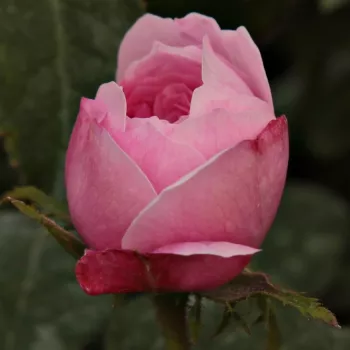
Pure mid-pink blooms with a slight silvery sheen in cool weather; buds open deep pink, then soften to shell-pink and creamy tones as they age, with colour lightening in strong sun yet remaining harmonious within pastel planting schemes. |
| Fragrance and aroma |
Strong to very strong, long-lasting scent typical of old garden roses, suitable for enjoying outdoors and as cut flowers indoors; fragrance description is not fully characterised but is considered one of the cultivar’s key attractions. |
| Rose hip characteristics |
Hip set is usually limited due to the very double blooms, but the plant may occasionally form small ellipsoidal red hips about 12–18 mm across, offering modest late-season decorative interest when present. |
| Resistance and hardiness |
Shows good resistance to powdery mildew, black spot and rust in typical conditions; hardy to about −26 to −23 °C (RHS H7, USDA 5b, Swedish Zone 4), with moderate heat and drought tolerance if watered during prolonged dry spells. |
| Horticultural recommendations |
Suited to borders, specimens, small park plantings and cut flower use; spacing 105–175 cm depending on role, with around 0.8–0.9 plants per m² for massing; thrives with regular watering, feeding and deadheading to sustain repeat bloom. |
Jacques Cartier offers richly scented, pastel-pink blooms on a healthy, long-lived own-root shrub that settles reliably into family gardens with minimal fuss, so You can choose this heritage rose with quiet confidence.