Hybrid tea rose

52-427-1
52-427-2

Kanizsa

Hybrid tea rose

- – Márk Gergely

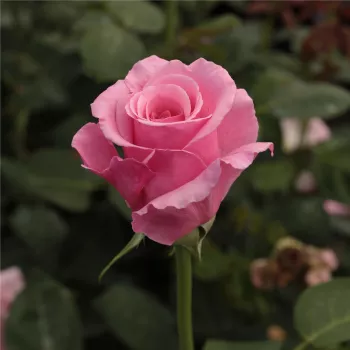
Uniform, clear mid‑tone pink with a slightly warmer hue. - hybrid tea rose - medium-strength, scent noticeable in sunny weather rose - scent description not available

– Elegant Hybrid Tea for classic displays
– Large, high‑centred buds for cutting
– Uniform clear mid‑pink with silvery tones
– Medium, pleasant fragrance in sunny weather
– Reliable hardiness to about –26 °C
Special feature: Occasionally forms decorative orange‑red hips.
Long-term garden plan – Supporting local wildlife
Kanizsa
pharmaROSA® ORIGINAL 2-litre own-root potted rose
18,30 €
pcs
Direct from the grower
In stock for immediate dispatch
Delivery: 8–11 working days
3.5 (5783)
facebook   twitter

KANIZSA – pink hybrid tea rose - Márk

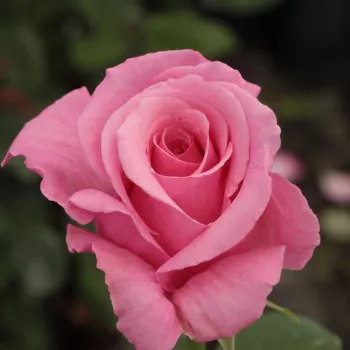
If You would like a classic cut-rose look in Your own front garden, KANIZSA gives You large, elegant, high‑centred blooms in a clear, romantic mid‑pink that suits both modern and cottage‑style settings, even where humidity and rain are frequent along the Irish coast. This hybrid tea forms a bushy, moderately spreading shrub that stays compact, so it is easy to fit into smaller borders and driveway beds without overpowering the space, while its uniform flower shape means every open bloom looks ready for the vase or the camera. The medium‑strength fragrance becomes especially noticeable in sunny weather, lending a gentle evening scent around seating areas or paths near Your doorway. Grown as a 6–12 month own‑root plant in the pharmaROSA® ORIGINAL 2‑litre pot, it settles gradually and can regenerate from its own base over the years, building a stable, long‑lived feature in Your planting plan. With thoughtful soil preparation and drainage, You can enjoy its once‑a‑year flush building up as roots in year one, fuller shoots and buds in year two, and its complete ornamental value by about year three, bringing a reliable highlight to Your annual garden rhythm and a sense of success for busy or beginner gardeners. The moderately dense, mid‑green foliage provides a tidy background, and occasional orange‑red hips add a soft seasonal note, helping to quietly support local wildlife without taking over the display. Use it as a solitary centrepiece, in a small group, or even in a substantial patio container of at least 40–50 litres, and it will reward regular care and feeding with a refined, romantic look that pairs well with low evergreens and airy cottage perennials. With considered plant‑protection in place and enough sunlight, KANIZSA fits nicely into long‑term plans for a front garden that feels cared‑for yet not complicated to live with day to day.


Use cases

Target area Reason
Front garden focal point near the entrance The large, high‑centred pink blooms instantly read as a classic rose and give a welcoming, elegant focus by the front door or gate, offering a cut‑flower look without the need for complicated designs, ideal for busy homeowners
Small rose group in a family garden bed Planted in groups of 3–5 at the recommended spacing, the compact, moderately spreading habit creates a neat, structured patch of colour that is easy to mow and weed around, fitting well into average‑sized Irish family gardens for beginners
Sunny terrace or balcony in a large container In a 40–50 litre pot with good drainage, KANIZSA’s upright hybrid tea form and mid‑green foliage make a tidy, controllable feature for patios or balconies, suiting urban settings where space is limited but a refined rose presence is still wanted by apartment‑dwellers
Long-term planting in a cottage-style mixed border As an own‑root shrub that can regenerate from its base, KANIZSA lends itself to long‑term plans among perennials and shrubs, gradually settling into the border structure and providing a dependable pink highlight year after year for relaxed cottage‑gardeners
Seasonal highlight bed with simple care routine The once‑a‑year main flush allows You to plan around a defined blooming period, then focus on basic feeding, watering and pruning for the rest of the season, making rose care more predictable for time‑pressed families
Pathside or driveway edging with formal accents The bushy yet compact shape and solitary, high‑centred blooms work well in repeating units along a path or drive, giving a smart, slightly formal rhythm that pairs easily with low hedging such as Lonicera nitida for design‑conscious garden‑owners
Coastal or wetter-climate beds with good drainage With proper soil preparation to improve drainage, KANIZSA can cope with Ireland’s cooler, wet conditions and frequent rain, provided foliage is kept as dry as possible, answering the needs of coastal and western region gardeners
Wildlife-friendly family garden with seasonal interest Occasional orange‑red hips after flowering add autumn interest and a small food source for birds, helping a family garden feel more alive while still keeping the main focus on the pink blooms that appeal to most children

Decorating ideas

  • Doorway Welcome – Plant one KANIZSA on each side of a front path with low Lonicera nitida edging for a tidy, symmetrical entrance that feels special yet manageable – ideal for homeowners who like classic lines without fussy planting.
  • Cottage Mix – Combine KANIZSA with airy Bupleurum and white Physostegia in a mixed border, letting its pink blooms rise above softer textures for a romantic, country‑style look – suited to cottage‑garden fans wanting a focal rose.
  • Patio Feature – Grow KANIZSA in a 40–50 litre terracotta pot with underplanting of trailing thyme or lobelia to soften the rim, creating a fragrant, elegant highlight on a sunny terrace – perfect for urban balcony and patio gardeners.
  • Structured Row – Repeat KANIZSA at regular intervals along a driveway or path, backed by a low evergreen hedge, to create a gentle formal rhythm with pink accents – good for those who like an ordered, easy‑to‑maintain layout.
  • Seasonal Showpiece – Dedicate a small bed to KANIZSA as the main feature, with spring bulbs beneath and late‑summer perennials behind, giving changing layers around its main bloom period – attractive for families planning simple yearly highlights.

Technical cultivar profile
Parameter Data
Name and registration Hybrid tea rose, trade name KANIZSA – pink hybrid tea rose - Márk; the name comes from the town of Nagykanizsa in Zala County; registered cultivar name not recorded in available data.
Origin and breeding Bred by Márk Gergely in Hungary, 1993, at Budatétényi Kertészeti Kutató Intézet; introduced to the market by PharmaRosa Ltd.; exact year of introduction and formal registration year are not documented.
Growth and structure Bushy, moderately spreading shrub reaching about 65–95 cm in height and 50–70 cm in spread; moderately dense, mid‑green, slightly glossy foliage; moderately thorny canes, suitable for beds, borders and container cultivation.
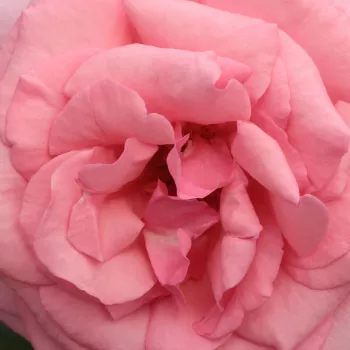
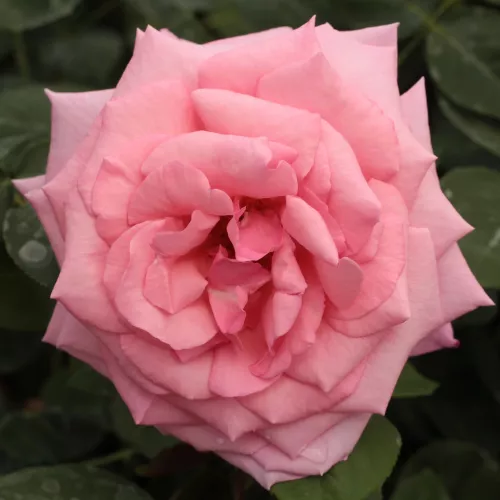
Flower morphology Large, double, 26–39 petalled flowers with high‑centred, pointed buds typical of cut‑rose hybrid teas; blooms are usually solitary on stems, offering good form for cutting; not remontant, producing one main flowering flush per season.
Colour and phenology Uniform, clear mid‑pink flowers with slightly paler inner petal faces and subtly darker edges; colour holds well, then fades to a delicate silvery‑pink towards the end of flowering; good colour retention throughout the main bloom period.
Fragrance and aroma Medium‑strength scent that becomes clearly noticeable in sunny weather; suitable for planting near paths, terraces or seating areas where its fragrance can be appreciated without being overpowering, especially during warm, calm days.
Rose hip characteristics Occasionally forms ellipsoidal orange‑red hips about 10–14 mm in diameter; hips add subtle autumn interest and may provide a small food source for local birds in wildlife‑friendly gardens or less intensively deadheaded plantings.
Resistance and hardiness Hardy to approximately –26 to –23 °C (H7, USDA 5b, Swedish zone 4); average tolerance to heat and drought, needing irrigation in prolonged dry spells; disease sensitivity moderate to powdery mildew and black spot, very sensitive to rust.
Horticultural recommendations Prefers a sunny position with well‑drained soil; recommended spacing 60 cm for mass planting, 50 cm for hedging, 90 cm as a solitary; planting density about 2.8 plants/m² in square and 3.2 plants/m² in hexagonal layouts; regular plant‑protection advised.

KANIZSA – pink hybrid tea rose - Márk offers elegant, fragrant pink blooms on a compact shrub, works well as a long‑term own‑root planting, and suits gardeners seeking a defined seasonal highlight with manageable care, so You may confidently consider it.

Detailed product attributes

Product Identification Data

Product Name: KANIZSA – pink hybrid tea rose - Márk
Product Type: pharmaROSA® ORIGINAL - 2-litre own-root potted rose
Cultivar Authenticity: Verified:25.08.2025
Item Number: [33] 52-427 (14.02.2026) pharmarosa.ie

Name and Registration

Cultivar Name Meaning: The name was taken from the town of Nagykanizsa in Zala County.
Trade Name: Kanizsa Hybrid tea rose Márk
Rose Group: Hybrid Tea
Commercial Type: hybrid tea rose
Commercial Group: Hybrid tea rose
Exhibition Category: cut flower; exhibition tea hybrid
Collection: Hybrid tea rose

Origin and Breeding

Initial Distributor: PharmaRosa® Ltd. (Hungary)
Year of Introduction: Data not available
Registration Year: Data not available
Breeder: Márk Gergely
Breeding Company / Institution: Budatétényi Kertészeti Kutató Intézet (Budatétény)
Breeding Year: Hungary, 1993
Parentage: unknown

Growth and Structural Characteristics

Height: 2.1-3.1ft (65-95 cm)
Spread: 1.6-2.3ft (50-70 cm)
Growth Habit: bushy, moderately spreading
Foliage: The variety has moderately dense foliage. Its leaves have a slightly glossy surface and a mid-green shade.
Prickliness: moderately thorny
Self-Cleaning Description: No data on self-cleaning.
Self-Cleaning Intensity: No data on self‑cleaning strength.

Flower Morphology

Petal Count: 26-39
Flower Fullness: double flowered
Flower Form: high-centred, pointed bud (cut-rose type)
Flower Size: L (2,75-3,95 in)
Inflorescence Type: solitary
Colour Code: ARS code: MP RHS code: RHS 65C (outer), RHS 65D (inner)
Repeat Flowering: Not remontant; blooms once.

Colour Data and Phenology

Colour: pink
Flower Colour: Uniform, clear mid‑tone pink with a slightly warmer hue.
Closed Bud: The full, ovoid bud's outer petal edge is medium-dark pink.
Freshly Opened Flower: The outer petals are vivid, fresh pink, with a paler shade on their inner surfaces.
Full Bloom: Uniform mid-pink, the inner faces of the petals slightly paler and the edges only faintly darker.
Pre-Fading Flower: The colour fades, and a delicate silvery-pink tone appears.
Colour Fading Description: During opening, the vivid mid‑pink moderately fades; at the end a delicate silvery‑pink tone appears.

Fragrance and Aroma

Fragrance Strength: medium-strength, scent noticeable in sunny weather rose
Fragrance Character: scent description not available
Pollinator Attraction: Double, 26–39-petalled flowers have limited attraction for pollinators because the double form reduces stamen accessibility.
Pollinator-Friendly Rating: The descriptions do not specifically mention it as pollinator-friendly.

Rose Hip Characteristics

Rose Hip Shape: ellipsoidal
Rose Hip Colour: orange-red
Rose Hip Notes: Occasionally produced, 10–14 mm in diameter, ellipsoidal, orange-red rose hip.

Resistance and Hardiness

Hardiness (°C): -26–-23 °C
Heat and Drought Tolerance Description: An average garden rose generally tolerates heat, but during prolonged drought it requires irrigation.
Disease Resistance: sensitive
  • powdery mildew – moderate
  • black spot – moderate
  • rust – very sensitive

Horticultural Recommendations

Recommended Spacing: for mass planting 60 cm, for hedging 50 cm, as a solitary specimen 90 cm
Planting Density: square planting 2,8 plants/m², hexagonal arrangement 3,2 plants/m²
Partial Shade Tolerance: prefers a sunny position
Maintenance Requirements: Maintenance requirement high; susceptible to diseases (particularly rust), may require regular plant-protection treatments.
Key Uses: no data

Notes

Strengths: Long-term garden plan – Supporting local wildlife
Companion Plants: Lonicera nitida ‘Maigrün’ - groundcover honeysuckle Bupleurum rotundifolium ‘Garibaldi’ - hare's‑ear Physostegia virginiana 'Crystal Peak White' - obedient plant
Note: -
KANIZSA – pink hybrid tea rose - Márk
Uniform, clear mid‑tone pink with a slightly warmer hue. - hybrid tea rose - medium-strength, scent noticeable in sunny weather rose - scent description not available
The rose webshop. - pink - hybrid tea rose - Kanizsa - (2.1-3.1ft (65-95 cm))
Inflorescence: solitary Height: 2.1-3.1ft (65-95 cm) Flower shape: high-centred, pointed bud (cut-rose type) Winter hardiness: 6a pink - PharmaRosa® Ltd. (Hungary) hybrid tea rose - Flower size: L (2,75-3,95 in) Flower size: L (2,75-3,95 in) - Height: 2.1-3.1ft (65-95 cm) Height: 2.1-3.1ft (65-95 cm) - Flower fullness: double flowered Kanizsa - Roses in the garden | pharmaROSA® Original - standard Márk Gergely

We showcase the external appearance of the roses available for online purchase from our webshop.


Which product type is right for you?


Information

In what condition do we send the rose from our online webshop?

Let us ask ourselves the question. What would I like to use the rose for?
Flower? - Location? - Screening? - Fragrance? - Height? - Breeder? - Rose hip?

Rose purchasing information
Payment methods - Delivery costs - Delivery - Complaints handling

Care guide

Our product is a rose grown with unique pharmaROSA® cultivation technology!

2 litre, own-root, potted rose.
With shoots appropriate to the season.
With roots thoroughly interwoven through the growing medium.
Quality in line with the requirements of the E.N.A. (European Nurserystock Association).
In unique packaging that prevents damage.
Can be planted during frost-free periods.
True-to-type rose plant with an individual identifier.

The pharmaROSA® own-root potted rose is a well-rooted plant that supports reliable establishment when planted and cared for properly, so it can be planted whenever the soil is not frozen.


Stock: several varieties and several stages of development in a short stock section.
Shoot system: intensive growth of fresh basal shoots on a young plant.
Root system: presentation of the strong root system interwoven through the growing medium with the pot removed.
Balance: mature plant where the development of the root system and the shoots is in harmony.

Information about the videos
The video series is not a “seasonal showcase”, but makes the essence of pharmaROSA® own-root production tangible: how the plant is built, what the root system is like and how the shoots renew themselves. The footage was therefore taken at different times, showing plants at different stages of development, so mixed leaf coverage or differing growth stages may appear in the videos. This is not a “sample” of the batch delivered, but an illustration of how the technology works. The current condition of the rose available to order — typical of the given period and similar to what you can expect to receive in the parcel — is shown at the top of the product page.

pharmarosa.compharmarosa.skpharmarosa.ropharmarosa.depharmarosa.co.ukpharmarosa.sipharmarosa.czpharmarosa.atpharmarosa.frpharmarosa.hrpharmarosa.plpharmarosa.itpharmarosa.espharmarosa.bepharmarosa.nlpharmarosa.iepharmarosa.grpharmarosa.bgpharmarosa.ltpharmarosa.lvpharmarosa.sepharmarosa.fipharmarosa.eepharmarosa.rupharmarosa.dkpharmarosa.pt

Product types

Pages for private customers
Garden roses for the family garden, with minimal care  → ORIGINAL®
Premium garden roses – instant impact, a truly showpiece garden  → EXTRA®
Pages for professionals and private customers
Roses for public spaces – large areas, sustainable maintenance  → NATURAL®
Roses for projects – hedge and row planting, fast implementation  → RAPID®
For professional partners only
Production – propagation material for garden roses, wholesale  → NEONATAL®

Company details

PharmaRosa Ltd.
Company registration number: 01-09-717479
VAT number: 13075314-2-43
Plant health registration no.: HU130721
Bank account (IBAN):
HU85117631891388688400000000
BIC (SWIFT): OTPVHUHB
Bank name: OTP Bank Nyrt.