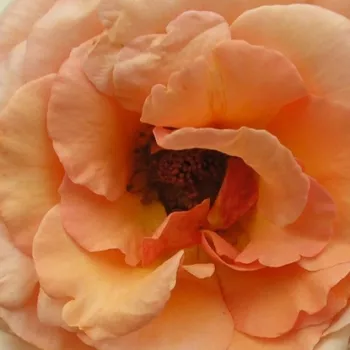
MARJOLAINE – apricot-coloured bedding Floribunda rose - Sauvageot
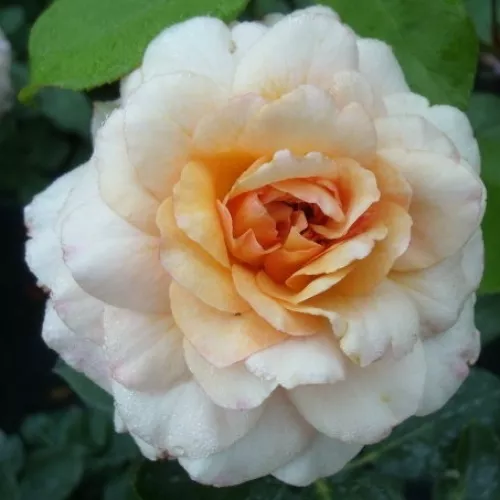
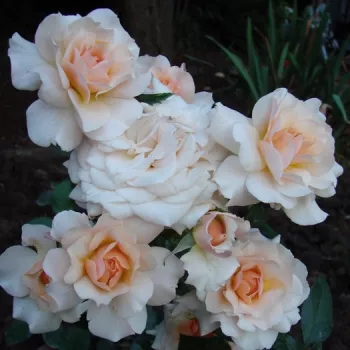
If You dream of a neat, romantic front garden that looks good without complicated work, Marjolaine is a lovely choice. This floribunda forms an upright, compact bush that fits easily into smaller Irish beds and edging, even where heavy soils need a bit of care with drainage. Its large, very double blooms open in generous flushes, giving a soft apricot and cream pastel display that feels at home in both urban front gardens and country cottage settings. As an own-root rose, it develops gradually into a stable, long-lived plant that can regenerate well after pruning or weather damage. Year by year it settles in: roots first, then stronger shoots, and by the third season You can enjoy its full ornamental value. With medium maintenance needs and a restrained fragrance, it suits busy gardeners who still want a refined, elegant rose border.
Use cases
| Target area |
Reason |
| Front garden statement bed |
The upright yet compact growth habit and large, high-centred blooms create a tidy but eye-catching focus by the front door or driveway, giving structure and charm without taking over the whole space, ideal for the busy beginner |
| Small rose groups (1–3 plants) |
Plant a small group at the recommended spacing to create a rounded, full look; the dense, glossy foliage and repeat flowering provide a reliable, easy-care display even in modest-sized Irish gardens, perfect for the time-poor homeowner |
| Romantic cottage-style border |
The pastel peach–salmon flowers blend beautifully with soft perennials and grasses, giving a relaxed, cottage feel while the own-root shrub builds a long-lived framework over the years, suiting the rural dreamer |
| Low-maintenance family flowerbed |
Medium disease resistance and self-cleaning blooms mean fewer deadheading and spraying tasks; with basic watering and feeding it will reward You with regular flowering, well matched to the practical gardener |
| Mixed bed with shrubs and perennials |
The bushy, 75–105 cm habit slots neatly between lavender, hydrangeas or catmint, filling gaps with colour without outgrowing neighbours, making border planning simpler for the design-conscious owner |
| Coastal or exposed suburban garden |
The plant copes well where conditions can be breezy and humid, provided soil is prepared to improve drainage in heavier patches, giving confidence in tricky situations to the sea-side gardener |
| Patio container (40–50 litre minimum) |
In a large, well-drained pot of at least 40–50 litres, Marjolaine forms a refined, upright shrub whose long-term own-root growth maintains shape and flowering without frequent replacement, ideal for the balcony resident |
| Long-term feature rose in a family garden |
As an own-root floribunda that establishes steadily, it can be pruned and refreshed over many seasons, gradually forming a balanced, resilient plant that anchors the garden design for years, suiting the future-focused planner |
Decorating ideas
- Pastel Cottage Strip – Line a narrow front path with Marjolaine and catmint, letting peach clusters float above a blue haze – for lovers of relaxed, rural cottage charm
- Neat Urban Welcome – Plant three Marjolaines in a small rectangular bed by the door with low box or hebe edging – for homeowners wanting a tidy, elegant entrance
- Soft Sunset Border – Combine Marjolaine with apricot foxgloves and pale hydrangeas for a layered, sunset-toned summer border – for design-minded gardeners seeking gentle colour harmony
- Romantic Patio Pot – Grow a single shrub in a 40–50 litre terracotta container with trailing thyme at the base – for balcony and terrace users needing beauty in limited space
- Family-Friendly Feature – Place a small group on the lawn edge with ornamental grasses behind to create a soft, touchable focal point – for busy families wanting easy, photogenic planting
Technical cultivar profile
| Property |
Data |
| Name and registration |
Floribunda bed rose, registered as SAUniber, marketed as Marjolaine NIRPESPACE SAUniber; shrub rose exhibition category with American Rose Society exhibition name Marjolaine. |
| Origin and breeding |
Bred by Bernard Sauvageot for NIRP International in France, introduced around 2000; parentage not recorded, part of the NIRPESPACE collection aimed at elegant, garden-worthy floribundas. |
| Growth and structure |
Compact, upright shrub reaching about 75–105 cm in height and 50–70 cm spread; moderately thorny stems, dense, dark glossy foliage providing a full, bushy appearance suited to beds and borders. |
| Flower morphology |
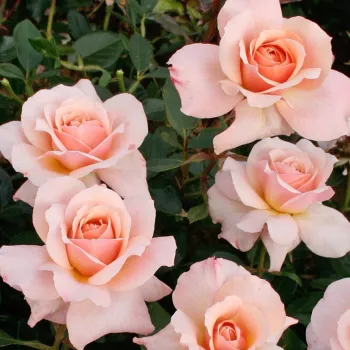
Very double, high-centred blooms in XL size, often with pointed buds reminiscent of cut roses; carried in clusters on branching stems, remontant with generous repeat flowering through the season. |
| Colour and phenology |
Delicate pastel blend of peach and salmon tones; buds open light salmon-orange then pale towards the petal edges, fading gradually to soft cream with a slight pink undertone as the flower ages. |
| Fragrance and aroma |
Fragrance is mild and restrained, adding a gentle scent without dominating nearby seating areas; primarily valued for its visual effect and flower shape rather than strong perfume. |
| Rose hip characteristics |
Occasional small ellipsoid red hips, about 6–10 mm in diameter, developing after flowering if spent blooms are not removed, offering subtle late-season interest among the dark foliage. |
| Resistance and hardiness |
Hardy to around -21 to -18 °C (H7, USDA 6b, Swedish zone 3); medium resistance to black spot, mildew and rust; tolerates heat with watering during drought and benefits from basic preventive care. |
| Horticultural recommendations |
Best in full sun with well-prepared soil; medium maintenance with some deadheading and occasional pest or disease control; spacing 35–65 cm depending on use, 5.7–6.5 plants/m² for mass planting in beds. |
MARJOLAINE gives soft pastel apricot blooms, a compact, easy-care bush and long-lived own-root reliability that settles into your garden for years; a thoughtful choice if You want beauty without complex work.