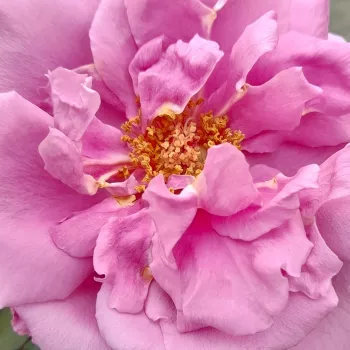
Mauve Melodee – romantic mauve hybrid tea rose
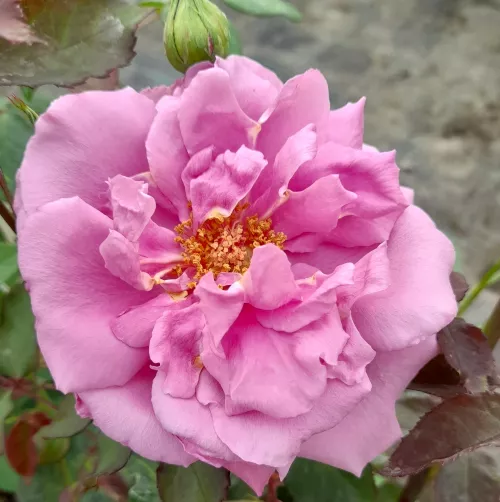
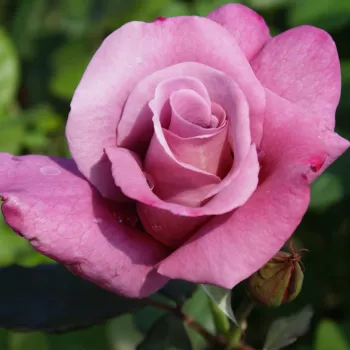
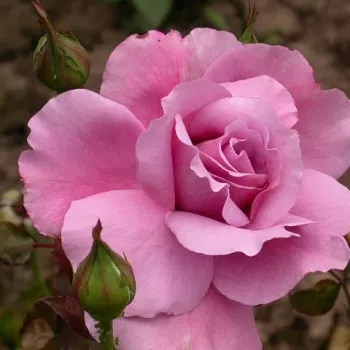
If You dream of a romantic, easy‑going rose that simply settles in and blooms, Mauve Melodee is a beautifully reliable choice for Irish family gardens. Its high‑centred, exhibition‑style flowers open in a rich, cool‑toned mauve with a silvery sheen, giving Your beds a quietly elegant focal point from early summer onwards. The blooms carry a strong, fruity‑sweet scent that drifts on the air, bringing a romantic atmosphere to front gardens, cottage borders and small seating areas. Bred for good disease resistance, this variety keeps neat, dark green foliage with relatively little fuss, even when summers are humid and showery. On its own roots it builds a naturally balanced shrub that lives long, coping better with pruning slips and gradually maturing into a stable feature. In its first year it concentrates on roots, the second on shoots, and by the third season it reaches full ornamental value with confident, repeat flowering, even where soil is heavy and needs thoughtful drainage.
Use cases
| Target area |
Reason |
| Front garden focal point near the entrance |
Upright, tidy growth and high‑centred, exhibition‑type blooms create a clear focal point by the gate or front door without demanding complicated pruning, ideal when You want a single planted rose to look intentional and welcoming for beginners |
| Romantic cottage‑style mixed border |
Semi‑double mauve flowers with a silvery sheen and dark foliage blend effortlessly with soft perennials and grasses, giving a relaxed, cottage feel while its own‑root longevity means the shrub matures gracefully among long‑lived companions for cottage‑gardeners |
| Perfumed seating area or patio edge |
The strong, fruity‑sweet fragrance is noticeable as You pass or sit nearby, so one to three plants along a path or terrace edge can give a “rose‑garden” scent experience without needing a large bed, suiting scent‑lovers |
| Small group planting in an average family garden |
Planting 3–5 roses at the recommended spacing quickly builds a coherent, mauve‑toned block of colour while repeat blooming keeps interest across summer; the classic hybrid tea form gives structure that appeals to homeowners |
| Border for long‑term, low‑input plantings |
Own‑root growth and good disease resistance support a long lifespan with relatively modest feeding and pruning, making it suitable for busy gardeners who want shrubs that establish, then need only seasonal checks, perfect for busy |
| Cut‑flower corner for home bouquets |
Long, straight stems and pointed buds are ideal for cutting, so a small row in a sunny side bed can provide classically shaped, scented blooms for vases without needing specialist greenhouse care, rewarding occasional picking by hobbyists |
| Coastal or exposed suburban gardens |
Its sturdy, upright framework and resilient foliage perform reliably where winds and damp air can be an issue, especially when planted in well‑prepared soil with improved drainage, giving confidence to coastal |
| Large container on balcony or paved area |
In a 40–50 litre pot with quality compost and regular watering, the plant becomes a movable feature that brings mauve blooms and fragrance to rented spaces or paved courtyards, well suited to urban apartment‑gardeners |
Decorating ideas
- Cottage Romance – Combine Mauve Melodee with peach‑leaved bellflower and airy grasses for a soft, storybook border – ideal for cottage‑garden fans wanting effortless charm.
- Scented Entrance – Flank a path or front step with a pair of shrubs underplanted with lavender to echo the fragrance – perfect for homeowners who love a welcoming, perfumed doorway.
- Evening Glow – Plant with tall verbena and soft white gaura so mauve blooms float in the dusk light – suited to busy people enjoying their garden mainly after work.
- Classic Cut‑Flower Row – Line a sunny fence with Mauve Melodee and a low edging of catmint for easy picking of scented stems – great for hobby gardeners who like arranging home‑grown bouquets.
- Patio Feature Pot – Grow a single bush in a 40–50 litre container with trailing thyme around the rim – a good choice for balcony and paved‑yard gardeners short on border space.
Technical cultivar profile
| Parameter |
Data |
| Name and registration |
Hybrid tea rose Mauve Melodee, registered as Mauve Melodee, trade name MAUVE MELODEE – mauve hybrid tea rose – Raffel; ARS exhibition name Mauve Melodee. |
| Origin and breeding |
Bred by Frank C. Raffel in the United States from ‘Sterling Silver’ × unknown seedling; bred 1962, registered 1962, introduced 1963 by Port Stockton Nursery. |
| Growth and structure |
Upright hybrid tea with dense, dark green, slightly glossy foliage; moderately thorny stems; height about 100–140 cm with a 75–105 cm spread in average garden conditions. |
| Flower morphology |
Semi‑double flowers with 13–25 petals, large high‑centred, pointed buds carried mainly singly on stems; remontant with an abundant second flush in suitable conditions. |
| Colour and phenology |
Rich, cool‑toned mauve‑purple with violet hue; outer petals deeper, inner petals with silvery‑lilac sheen; colour lightens in strong sun, remains more vivid in cooler weather. |
| Fragrance and aroma |
Strong, distinctive rose perfume with a slightly sweet, fruity character; fragrance is noticeable around the plant and especially when blooms are cut and brought indoors. |
| Rose hip characteristics |
Rose hip set is usually sparse; where present, small spherical orange‑red hips about 10–14 mm in diameter form late in the season. |
| Resistance and hardiness |
Good resistance to powdery mildew, black spot and rust; hardy to about −15 to −12 °C (RHS H6, Swedish zone 2, USDA 7b), needs regular watering in dry spells. |
| Horticultural recommendations |
Thrives in full sun and fertile, well‑drained soil; plant at 55–100 cm spacing depending on use; benefits from deadheading, mulching and balanced feeding for best flowering. |
Mauve Melodee offers scented mauve exhibition blooms, reliable disease resistance and long‑lived own‑root growth that settles steadily into Your garden; if You like romantic roses without complex care, this is a reassuring choice to consider.