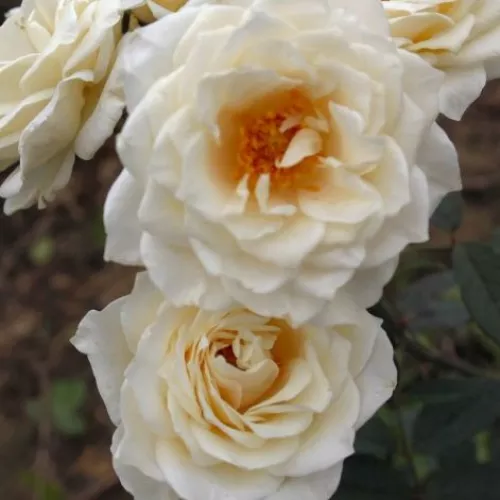
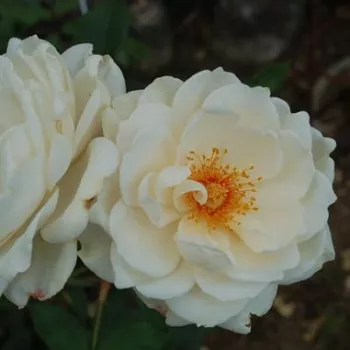
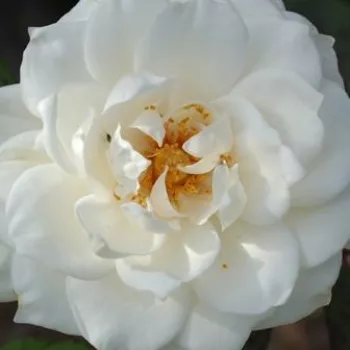
ORGANDIE – cream floribunda bedding rose – Scarman
If You are looking for an easy yet elegant bedding rose that simply settles in and performs, Organdie is a lovely option for Irish family gardens. Its semi-double blooms open in soft lemon shades that wash into warm cream, giving a light, translucent effect that suits both urban front gardens and rural cottage borders. This floribunda forms an upright, bushy habit with moderately dense, grey‑green foliage, building a neat, flowering presence without complicated pruning. The flowers come in clusters and repeat generously through the season, providing reliable colour and scent even when life is busy. As an own-root plant, it develops a stable framework that recovers well after winter and offers a long garden life with modest care. Well suited to typical Irish conditions, it copes reliably where wet ground needs sensible drainage and summer humidity can encourage disease. Over the first years it concentrates on roots, then strong shoots, before reaching its full ornamental impact, giving You a rose that quietly grows into place and feels like it has always belonged.
Use cases
| Target area |
Reason |
| Front garden focal shrub |
The upright, bushy habit and 100–140 cm height make Organdie ideal as a single, eye-catching shrub near your front door or along a path, giving height without becoming overbearing, perfect for a welcoming look for the busy homeowner |
| Bedding and low hedge runs |
Recommended spacings of 90–100 cm allow You to create even, flowing lines or generous mass plantings; the clustered flowers and repeat display fill gaps quickly while remaining easy to trim and keep tidy for the neat-garden enthusiast |
| Small rose groups (1–5 plants) |
Organdie’s floribunda character gives plenty of blooms from a small group; planting a few together at 1,0–1,2 plants/m² creates a soft, creamy block of colour that matures steadily over the first three seasons, suiting the planning beginner |
| Mixed cottage-style borders |
The warm cream flowers blend gently with perennials and shrubs, never clashing; combine with soft blues or purples for a romantic, cottage feel that looks composed rather than fussy, ideal for the relaxed traditionalist |
| Pollinator-friendly family garden |
Semi-double, open blooms with easily reached stamens mean bees can use the flowers readily; repeated flushes keep nectar and pollen available through summer, making this a practical choice for the wildlife supporter |
| Lightly scented seating areas |
The strong, long-lasting fragrance is best appreciated close by; plant near a bench, patio or favourite window so the scent drifts in on still evenings, bringing gentle luxury to the evening relaxer |
| Large containers on patios or balconies |
In a 40–50 litre or larger container with good drainage, Organdie forms a upright, bushy feature rose; regular watering and feeding keep flowers coming, without complex pruning, suiting the space-conscious gardener |
| Coastal and high-rainfall gardens |
With H7 hardiness and moderate disease resistance, Organdie fits well where winters are cool and summers damp, provided soil or containers offer reliable drainage in prolonged rain, a reassuring trait for the Atlantic-climate resident |
Decorating ideas
- Cream Cottage Border – Line a path with Organdie and interplant blue catmint and soft pink geraniums for a relaxed cottage look – ideal for lovers of romantic, traditional gardens
- Elegant Front Step – Place a single Organdie in a 50 litre terracotta pot by the door, underplant with trailing ivy and white lobelia – suited to urban homeowners wanting simple impact
- Soft Summer Hedge – Create a low, flowering hedge at 90 cm spacing, backed by hydrangeas for depth and long season structure – for families wanting privacy with flowers not fencing
- Pollinator Corner – Combine Organdie with lavender, rosemary and a small ornamental grass to give bees a long, scented season – perfect for wildlife-friendly gardeners
- Evening Scent Nook – Plant Organdie beside a bench with hosta and fern underplanting, letting pale blooms glow at dusk – best for those who relax outdoors after work
Technical cultivar profile
| Parameter |
Data |
| Name and registration |
Floribunda bedding rose, trade name Organdie – cream floribunda bedding rose – Scarman; ARS exhibition name Organdie; collection: Bedding rose; consumer product: pharmaROSA ORIGINAL 2-litre own-root rose |
| Origin and breeding |
Bred by John Scarman in Germany around 2007, introduced via Landhaus Ettenbühl; parentage not recorded; developed as a floribunda bed rose for decorative, repeat-flowering garden and exhibition use |
| Growth and structure |
Upright, bushy shrub reaching about 100–140 cm high and 80–120 cm wide, with moderately dense, slightly glossy grey-green foliage and moderate prickles, forming a tidy, medium-sized garden rose |
| Flower morphology |
Semi-double, cup-shaped blooms with 13–25 petals, medium size (about 1,5–2,75 inches), borne in clusters; repeat-flowering through the season, with particularly abundant second flush after initial peak |
| Colour and phenology |
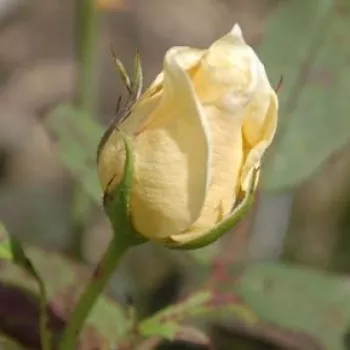
Closed buds pastel lemon-yellow with a greenish tinge, opening soft pale lemon with cream edges; flowers fade to buttery cream then almost white, giving a uniformly warm, pale cream impression at full display |
| Fragrance and aroma |
Strong, long-lasting perfume despite semi-double form; suitable for planting near paths, patios or seating where the scent can be appreciated, though precise fragrance notes are not formally documented |
| Rose hip characteristics |
Produces decorative, egg-shaped hips 6–10 mm across in autumn; orange-red colour and moderate quantity add subtle wildlife and seasonal interest without overwhelming the plant’s overall display |
| Resistance and hardiness |
Hardy to about -21 to -18 °C (H7, USDA 6b, Swedish zone 3); moderate resistance to powdery mildew, black spot and rust; benefits from reasonable air movement and basic preventive care in damp seasons |
| Horticultural recommendations |
Suited to beds, low hedges and larger containers; plant at 90–100 cm in rows or 1,0–1,2 plants/m² for bedding; medium maintenance, occasional pest and disease control, regular feeding and deadheading advised |
ORGANDIE offers softly coloured repeat flowers, strong fragrance and a bushy, medium-sized habit on a long-lived own-root plant, making it a reassuring, easy-care choice if You would like a dependable bedding rose in your garden.