PLAISANTERIE – pink park rose – Lens
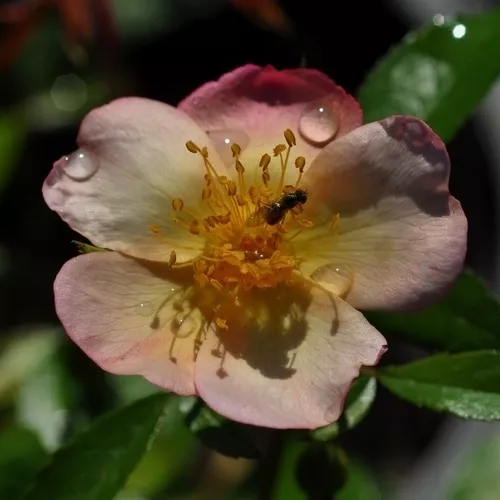
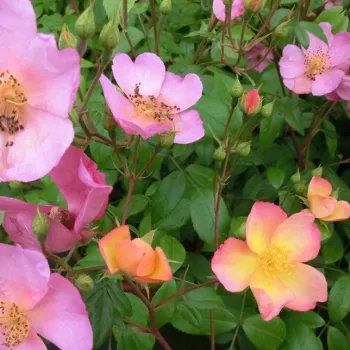
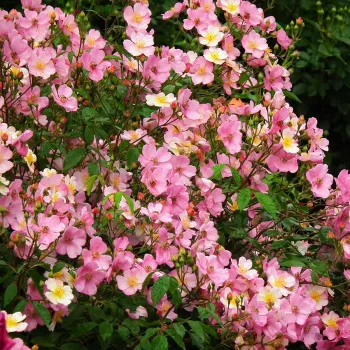
Let Plaisanterie bring playful colour to your garden with its continuously changing pink, yellow and orange shades that create a light, ever‑moving backdrop around your home. This Hybrid Musk shrub’s naturally climbing habit makes it excellent for softening fences, arches or house walls, while its clusters of single blooms stay elegant as they age and fall cleanly. Many spent blooms drop by themselves, so You spend more time enjoying and less time deadheading – ideal if You prefer simple gardening. In Ireland’s damp weather it appreciates a site with some air movement and thoughtful drainage, plus regular disease protection, but in return it rewards You with long, arching growth and decorative orange‑red hips in autumn. As an own‑root shrub it settles in gradually and can regenerate from its base over time, supporting a long‑lived, reliable planting that suits informal cottage paths, relaxed family front gardens and colour‑loving beginners who want a rose that feels genuinely alive.
Use cases
| Target area |
Reason |
| Front-garden focal shrub by the entrance |
The ever-changing flowers shift from orange through yellow to pink–purple, creating a lively welcome that looks different every week and stays attractive even as petals drop naturally; ideal for colour-curious beginners and busy homeowners |
| Pergola, arch or light rose tunnel |
The climbing habit and 150–210 cm height let You guide flexible, moderately thorny canes over an arch or small pergola, giving a soft, airy tunnel of single blooms rather than a heavy wall of foliage; perfect for romantic paths and cottage-garden fans |
| Fence or wall greening in a family garden |
Long, spreading canes (up to about 230 cm) cover bare boundaries with a loose, informal screen that flowers in clusters and develops decorative hips later, adding privacy without feeling over-formal; suited to relaxed, family-friendly back gardens |
| Mixed border with perennials and grasses |
The small single flowers and moderately dense, green‑bronze foliage blend easily with perennials such as garden phlox or purple loosestrife, giving a naturalistic, “woven” border that does not dominate; attractive for creative, plant-combining hobby gardeners |
| Part-shaded side garden or passage |
This shrub copes with partial shade, so it can brighten side paths or north‑east aspects where many roses struggle, bringing moving colour and seasonal hips without demanding full-day sun; a good option for townhouses and narrow plots |
| Seasonal cutting corner for informal bouquets |
Freely produced clusters of small, flat blooms in various colour stages provide charming stems for loose, cottage-style arrangements, even if each flower is modest in size; suits home decorators and creative beginners |
| Autumn interest planting with hips and structure |
Bottle-shaped orange-red hips form in moderate quantities on arching stems, extending the shrub’s value well beyond summer bloom and pairing well with late perennials and grasses; attractive for those who enjoy four-season garden interest |
| Coastal or exposed front garden screen |
With good soil preparation and regular care, its shrub-climber structure copes with breezier sites, provided the roots are protected and drainage is improved to handle frequent rain and heavy soil, echoing Irish coasts with thoughtful planners |
Decorating ideas
- Cottage Archway – Train Plaisanterie over a narrow arch and underplant with lavender and Lychnis for a loose, storybook entrance – ideal for romantic cottage and country-garden lovers
- Colour-Wash Fence – Let its long canes spill along a sunny fence, weaving between rosemary and ornamental grasses for a soft, colour-shifting backdrop – great for low-fuss family gardens
- Front-Door Welcome – Plant one shrub by the path with low edging plants, so the changing blooms greet You from spring to autumn – perfect for small urban front gardens
- Perennial Drift – Combine Plaisanterie with garden phlox and purple loosestrife to create a naturalistic pink and magenta ribbon along a border – suited to informal, wildlife-aware gardeners
- Autumn Focus Corner – Pair its orange-red hips with late hydrangeas and ornamental seed heads for a glowing autumn vignette near the patio – ideal for those who enjoy long-season interest
Technical cultivar profile
| Parameter |
Data |
| Name and registration |
Registered as LENtrimera, marketed as Plaisanterie – pink park rose – Lens; Hybrid Musk shrub, park rose type, ARS exhibition name Plaisanterie, show shrub rose category. |
| Origin and breeding |
Bred by Louis Lens (Belgium), cross of ‘Trier’ × Rosa chinensis ‘Mutabilis’; bred 1988, introduced and registered in 1996 by Lens Roses / Louis Lens N.V., Belgium. |
| Awards and recognitions |
Recognised as a classic shrub rose at the Mother Lode Rose Society show in 2001, reflecting its ornamental value and suitability for exhibition in the shrub class. |
| Growth and structure |
Climbing shrub reaching about 150–210 cm high and 170–230 cm wide, with moderately dense, slightly glossy green‑bronze foliage and moderate prickliness; self-supporting but benefits from light tying. |
| Flower morphology |
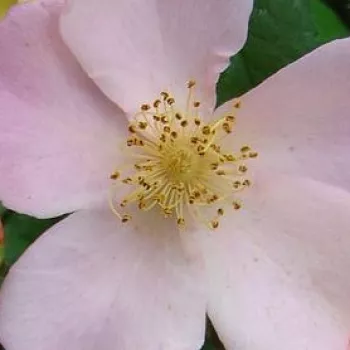
Single, flat, small flowers (about 0.5–1.5 inches) borne in clusters; usually 5–12 petals per bloom, remontant with an abundant second flush and generally good self-cleaning of spent flowers. |
| Colour and phenology |
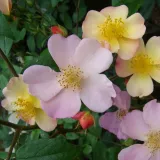
Warm, slightly yellowish-pink base deepening to pure pink; buds open orange, then yellowish-pink, then medium to deep pink, finally pink–purple as they fade; colour retention modest, giving constant tonal change. |
| Fragrance and aroma |
No noticeable fragrance; grown primarily for its shifting colour display, light flower form and structural presence rather than for scent, making it a visual rather than olfactory feature in plantings. |
| Rose hip characteristics |
Produces bottle-shaped, orange-red hips about 8–12 mm across in moderate quantities, decorating the shrub into autumn and offering additional seasonal interest after the main flowering period. |
| Resistance and hardiness |
Hardy to about −21 to −18 °C (RHS H7, USDA 6b, Swedish Zone 3); disease resistance weak, very sensitive to powdery mildew and rust, moderate to black spot, needing regular fungicidal care in humid seasons. |
| Horticultural recommendations |
Best as specimen, pergola, fence or wall shrub, or in borders and for cutting; prefers full sun to partial shade, good drainage, and consistent watering in dry spells to maintain flowering and foliage quality. |
PLAISANTERIE rewards You with ever-changing colour, a graceful climbing shrub form and decorative hips, while its own-root character supports long-term regeneration and stability, making it a thoughtful choice if You enjoy tending your plants with care.