REPORTER – red climbing rose – TANklesant
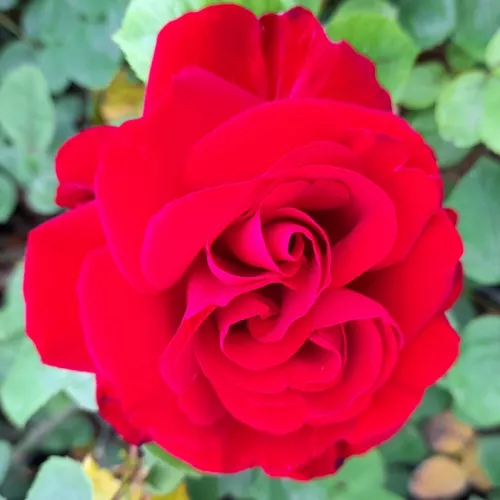
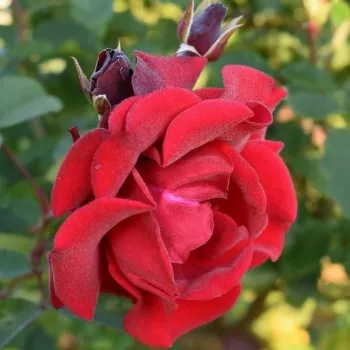
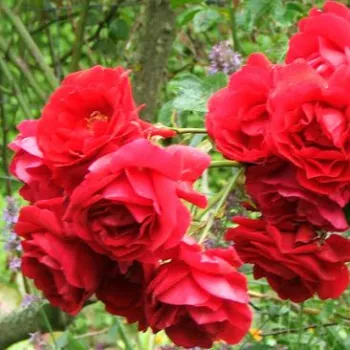
The REPORTER climbing rose is an eye-catching choice if You want a reliable, long-lived feature that simply gets on with the job in Irish gardens, even where soils are heavy and rainfall is frequent. Its velvety scarlet-red clusters create a romantic curtain of colour on arches, fences and cottage-style walls, while the dense, glossy foliage helps it look tidy for most of the season. As an own-root plant, REPORTER gradually develops into a stable, durable framework that can regenerate from the base and stay attractive for many years with only moderate care. The semi-double flowers offer a gentle, rose-scented fragrance and accessible stamens that appeal to visiting bees, giving You a touch of wildlife interest as well as colour. Over the first three years it focuses on roots, then shoots, then full display, so You can simply plant it, support it, and let this climber knit itself naturally into Your front garden or family space.
Use cases
| Target area |
Reason |
| Front-garden rose arch by the entrance path |
Its medium maintenance needs and dependable repeat flowering make it ideal where You want a strong vertical feature that still fits into a low-effort routine for busy homeowners and beginners who appreciate a reliable |
| Sunny pergola in a family seating area |
Long, flexible canes and dense foliage clothe a pergola, giving dappled shade in summer while the own-root habit supports a long lifespan and steady framework development for families planning to enjoy their garden space for decades |
| Fenceline in a small to medium suburban garden |
The recommended spacings allow it to cover garden boundaries efficiently, creating a bright scarlet-red screen with manageable upkeep that suits those wanting privacy and colour without taking on demanding, high-maintenance planting, ideal for a busy |
| Wall-trained feature on a sunny house wall |
As a large-flowered climber with compact clusters, it brings repeated flushes of velvety colour across a season, turning a plain wall into a focal point that remains visually tidy and structured for homeowners seeking an elegant |
| Coastal or wind-exposed front garden structure |
When given good soil preparation and support, its robust climbing habit and glossy foliage cope well with breezier sites common in Irish coastal areas, where a sheltered trellis or arch can help it handle salt-laden winds affecting a seaside |
| Pollinator-friendly cottage-garden border backdrop |
Semi-double, cluster-flowered blooms with accessible stamens provide nectar and pollen, drawing bees while maintaining a classic old-cottage feel, suiting gardeners who want wildlife interest and romance without complex planting plans, particularly a nature |
| Container-grown climber on a patio or balcony |
In a minimum 40–50 litre container with regular watering, it can be trained up an obelisk or trellis to give vertical colour where borders are limited, perfect for smaller urban spaces and renters wanting impact and flexibility in a portable |
| Long-term framework rose in a mixed rose border |
Planted with the three-year development arc in mind, it forms a durable own-root structure that can be underplanted with perennials, providing ongoing height and colour for gardeners building a stable, long-lived planting scheme with confidence |
Decorating ideas
- COTTAGE ARCH DUO – Train REPORTER over a rose arch with lavender at the base for scent, bees and soft edging – ideal for romantic cottage-garden enthusiasts.
- SCARLET FENCE RIBBON – Space plants along a sunny fence and weave canes horizontally, underplanting with Gaillardia for a hot, long-flowering strip – great for colour-loving family gardeners.
- PERGOLA WITH SOFT SHADE – Let canes run along pergola beams above a seating area, combined with pots of rosemary for texture and fragrance – suited to those who relax outdoors after work.
- WALL OF COLOUR – Fan-train REPORTER against a south-facing wall, fronted by hydrangeas for layered height and extended season interest – perfect for owners of smaller urban front gardens.
- NATURE-FRIENDLY BACKDROP – Grow it as a tall backdrop in a mixed border with hemp agrimony and obedient plant to support pollinators – appealing to wildlife-focused, eco-conscious gardeners.
Technical cultivar profile
| Parameter |
Data |
| Name and registration |
Climbing rose, large-flowered climber; registered as TANklesant. Trade name REPORTER – red climbing rose – TANklesant; ARS exhibition name Santana for show and registry purposes. |
| Origin and breeding |
Bred by Mathias Tantau Jr. at Rosen Tantau, Uetersen, Germany. Parentage unknown; introduction and registration years not clearly recorded in available horticultural sources. |
| Growth and structure |
Vigorous climbing habit reaching about 225–375 cm high, with 110–190 cm spread. Produces dense, dark green glossy foliage and well-branched framework; canes are densely thorny and need sturdy support. |
| Flower morphology |
Semi-double, cup-shaped flowers with approximately 13–25 petals, carried in clusters. Medium flower size around 1.5–2.75 inches, repeating well with a notably abundant second flush in suitable conditions. |
| Colour and phenology |
Buds open from almost black to velvety deep red, then bright scarlet, finally fading towards cherry red. Colour retention is moderate but the continual production of buds keeps plants looking vivid through repeat flushes. |
| Fragrance and aroma |
Light, restrained rose fragrance with a delicate classic rose-scented character. Scent is noticeable at close range, adding gentle charm without overwhelming nearby seating or windows when grown by paths or doors. |
| Rose hip characteristics |
Moderately abundant, ovoid hips 10–18 mm across, bright red (RHS 43A). Offer seasonal autumn colour and some wildlife interest if spent flowers are not removed after the main flowering period. |
| Resistance and hardiness |
Hardy to about −21 to −18 °C (H7, USDA 6b). Medium resistance to black spot, powdery mildew and rust; generally healthy but can occasionally require plant protection in humid seasons or poorly ventilated positions. |
| Horticultural recommendations |
Best in sunny positions with free-draining soil. Space 140–150 cm for hedging or mass planting, 230 cm as a specimen. Water during prolonged drought and provide strong support; remove spent blooms if tidiness is desired. |
REPORTER – red climbing rose – TANklesant offers reliable repeat flowering, a long-lived own-root framework and romantic scarlet colour, making it a practical, easy-going choice for Irish gardens if You would like a dependable climber.