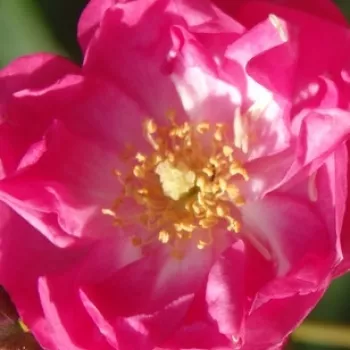
SIBELIUS – violet-purple park rose - Lens
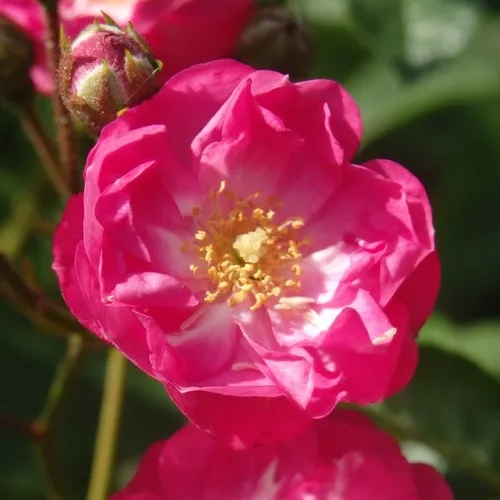
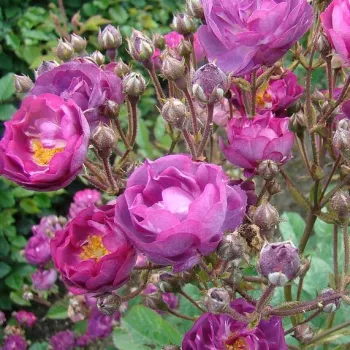
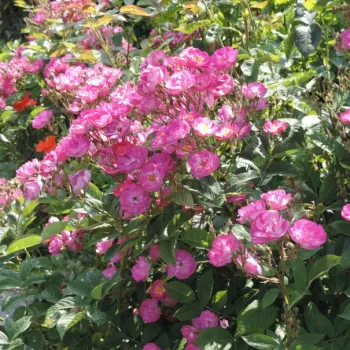
If You would like a romantic shrub that simply settles in and performs, Sibelius is a reliable, own-root choice for Irish family gardens. Its violet-purple clusters create a soft, cottage-style hedge or neat border, suiting modest front gardens and small groups of 1–5 plants. This hybrid musk shrub flowers in generous clusters from early summer well into autumn, fading through misty mauves that keep the bed interesting even on grey days. The plant’s bushy, medium-height structure gives a tidy outline without fussy pruning, and its semi-double blooms are easily reached by bees, supporting a gently wildlife-friendly look. As an own-root plant it settles deeply, coping well with our damp, heavy soils by simply ensuring basic drainage, and offers dependable growth over many years with modest care. In year one it concentrates on roots, in year two on stronger shoots, and by year three You can expect its full, elegant ornamental value.
Use cases
| Target area |
Reason |
| Front garden feature shrub |
Sibelius forms a bushy, medium-height shrub that fits comfortably into smaller Irish front gardens, giving a defined yet informal focal point with violet-purple blooms that repeat well through the season, ideal for a low-effort welcome home for beginners |
| Low park-style hedge along paths or drives |
Planted at closer spacing, its dense foliage and branching habit create a soft, flowering hedge that screens at eye level without feeling heavy, and the moderate maintenance needs suit those who prefer simple, once-a-year shaping for busy households |
| Mixed cottage border with perennials |
The changing purple and mauve tones blend beautifully with lady’s mantle and airy baby’s breath, while the semi-double clusters thread colour throughout the border and the own-root vigour keeps the planting stable for many years, reassuring for hobby gardeners |
| Small rose group (1–5 plants) in lawn |
A tight group of Sibelius shrubs quickly reads as a coherent island bed, flowering repeatedly with a soft, romantic look, and the easy-going shrub structure remains attractive even between flushes, offering visual impact without complex upkeep for new homeowners |
| Urban front garden with limited space |
The compact spread and upright, bushy habit allow You to keep paths clear while still enjoying generous flowering; moderate disease resistance copes well with typical town conditions, provided You ensure basic runoff in wetter periods for city dwellers |
| Large container on balcony or patio |
In a 40–50 litre container with good compost and drainage, Sibelius becomes a long-lived patio shrub; its repeat clusters and mild scent create an inviting seating area, and own-root growth means it can regenerate well after harder pruning for balcony owners |
| Pollinator-friendly family garden corner |
The semi-double flowers and visible yellow stamens are easy for bees to access, making this shrub a gentle way to support garden biodiversity while still looking refined and tidy enough for play spaces and outdoor dining areas, appreciated by nature lovers |
| Low-maintenance bed in heavier Irish soils |
Once established, the own-root system anchors the plant well and provides a steady framework of growth, needing only basic care; it copes reliably in typical heavier Irish garden soils as long as You avoid waterlogging and provide simple drainage planning for rural gardeners |
Decorating ideas
- COTTAGE DRIFT – Combine Sibelius with Alchemilla mollis and baby’s breath for a soft, drifting edge to a path – for lovers of relaxed, romantic cottage gardens
- VIOLET FOCUS – Plant three shrubs together in a small lawn island with a simple bark mulch circle – for homeowners wanting a single, easy focal point
- URBAN RIBBON – Use a short hedge of Sibelius along a front boundary, underplanted with low thyme, to soften railings or walls – for city gardens needing gentle privacy
- SEATING NOOK – Place one plant in a 40–50 litre pot beside a bench and pair with a dwarf lavender in front – for balconies or patios where You relax after work
- PURPLE PARTNER – Mix Sibelius with hydrangeas and lady’s mantle in a side bed for layered texture and long-season colour – for busy families wanting impact without complex planting schemes
Technical cultivar profile
| Parameter |
Data |
| Name and registration |
Registered cultivar name LENbar, trade name Sibelius – violet-purple park rose - Lens, ARS exhibition name Sibelius; shrub, hybrid musk, park rose type for garden and landscape use. |
| Origin and breeding |
Bred by Louis Lens, Lens Roses NV, Belgium; cross of ‘Mr. Bluebird’ × ‘Violet Hood’. Breeding and registration year 1981, introduced 1984, supplied on own roots for garden planting. |
| Growth and structure |
Bushy, medium shrub 85–130 cm high and 60–90 cm wide, with dense, slightly glossy dark green foliage and moderate prickles, forming an attractive, rounded outline in beds or low hedges. |
| Flower morphology |
Semi-double, cup-shaped flowers with 13–25 petals, borne in large clusters. Small flower size (about 0.5–1.5 inches), remontant with a prolific second flush, giving repeated displays in season. |
| Colour and phenology |
Buds open deep violet-purple, becoming vivid purple-lilac with pinkish centres, then fading to pale mauve-grey with silvery-pink edges; yellow stamens contrast strongly, with very good overall colour retention. |
| Fragrance and aroma |
Mild, soft rose fragrance, restrained rather than overpowering, contributing a gentle background scent suitable near seating areas, entrances, or paths where subtle perfume is preferred. |
| Rose hip characteristics |
Produces a moderate crop of small, spherical red hips, approximately 5–8 mm diameter, in autumn; these may add discrete seasonal ornamental interest and provide additional food for wildlife. |
| Resistance and hardiness |
Hardy to about −21 to −18 °C (RHS H7, USDA 6b, Swedish zone 3). Disease resistance moderate to black spot, mildew, and rust; prefers regular care and watering in prolonged heat or drought. |
| Horticultural recommendations |
Suitable for beds, edging, hedges, specimen planting, pots, and urban spaces. Space 50 cm in mass plantings, 40 cm for hedging, 75 cm as specimens; best in well-drained soil with partial shade tolerance. |
Sibelius offers romantic purple clusters, a tidy shrub shape and pollinator appeal, and as an own-root rose it builds long-term strength and regeneration, making it a reassuring, easy-care choice if You would like a dependable garden rose.