SOYEUSE DE LYON – orange hybrid tea rose – Ducher
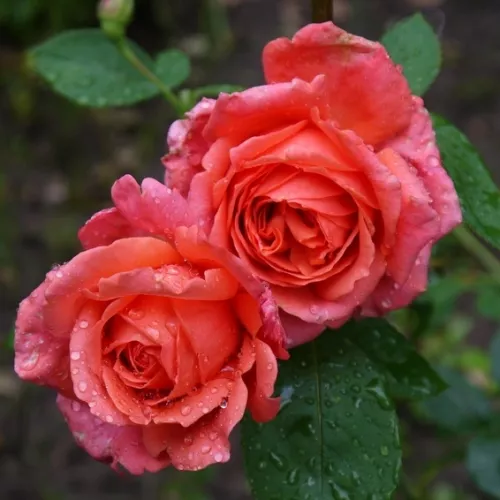
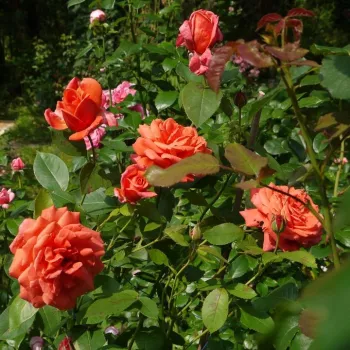
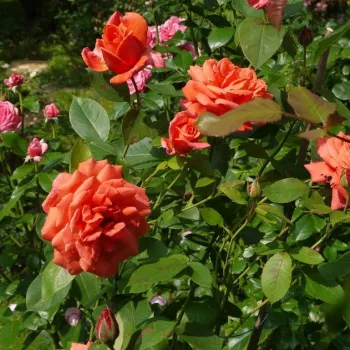
The French-bred SOYEUSE DE LYON is an elegant hybrid tea that rewards You with beautifully formed, long-stemmed blooms in a warm orange-salmon shade that softens to peach-pink as they open. It settles in reliably even in our wetter Irish weather and heavier soils, coping well once You ensure reasonable drainage in clay-based beds and borders. Its upright, bushy habit keeps front gardens and paths looking orderly, while remontant flowering brings a steady supply of cut roses for the house through the season. Disease resistant foliage reduces spraying and fuss, so You can simply enjoy the flowers. As an own-root plant, it establishes for the long term, regenerating from its base and keeping its ornamental value over many years. In year one it concentrates on roots, in year two it builds strong shoots, and by year three it shows its full, richly blooming garden character.
Use cases
| Target area |
Reason |
| Front garden feature rose by the entrance path |
Upright, bushy growth with moderately dense, dark green foliage forms a tidy vertical accent that frames your doorway or main path without overwhelming a small Irish front garden, giving a welcoming, elegant feel for visitors and everyday passers-by |
| Small group planting in mixed cottage-style border |
Planted in groups of 1–3, its 105–135 cm height and 60–85 cm spread combine with warm orange-salmon flowers that fade to peach-pink, pairing beautifully with perennials for a relaxed rural cottage look that remains easy to manage for beginners |
| Low-maintenance family flower bed near the patio |
Good resistance to black spot, mildew and rust, together with low maintenance needs, means fewer treatments and less monitoring, ideal beside patios where families sit and children play, suiting busy householders who prefer simple care |
| Cut-flower corner for home arrangements |
Large, cupped, double blooms on strong stems, bred as a hybrid tea suitable for cutting, provide attractive flowers for vases; regular picking encourages further blooming, giving You reliable, home-grown bouquets that please keen home florists |
| Specimen rose in a large container on a sunny terrace |
Its upright, bushy habit and exhibition-style flowers make a strong statement in a 40–50 litre pot, where own-root growth adapts well and builds a stable structure, ideal for terraces or balconies needing long-lived, easily tended potted plantings |
| Rose bed in heavier, clay-influenced garden soil |
Supplied as a well-rooted own-root plant that adapts to its site, it is suited to typical Irish gardens where heavier soils are common, provided You give basic drainage, coping steadily with a generally damp, cool climate found by many local gardeners |
| Long-term, sustainable rose planting scheme |
As an own-root hybrid tea with proven hardiness to around −18 °C and a reputation as a long-lasting planting, it is well suited to designs where beds should mature gracefully for many years with modest intervention, supporting sustainable garden layouts |
| Neat edging line along driveway or garden path |
Recommended spacing of about 60 cm allows a regular, rhythmical line of bushes; their moderately dense foliage and remontant flowering keep paths defined and colourful through the season, perfect for homeowners wanting simple structure and clear outlines |
Decorating ideas
- Doorstep Welcome – Plant one SOYEUSE DE LYON by the front door with low lavender edging to echo its warm tones and fragrance – ideal for homeowners who want a smart, inviting entrance with little upkeep
- Cottage Trio – Group three bushes with bluebeard and soft pink perennials for a relaxed cottage border that flowers all summer – perfect for rural gardeners seeking colour without complex planting plans
- Patio Centrepiece – Grow a single plant in a 40–50 litre terracotta pot with trailing thyme around the rim to create a long-flowering focal point – suited to busy urban residents with limited ground space
- Cut-Flower Strip – Line a sunny fence with spaced plants, underplanting with boxwood balls to frame stems for cutting – great for hobby florists who enjoy arranging home-grown roses indoors
- Structured Drive Edge – Use evenly spaced bushes along a driveway, interplanting with low ornamental grasses for year-round form – ideal for families wanting a tidy, modern look that is easy to maintain
Technical cultivar profile
| Parameter |
Data |
| Name and registration |
SOYEUSE DE LYON hybrid tea rose, registered as DUCsoy; commercial type and group hybrid tea; part of the hybrid tea collection; name references Lyon’s historic silk industry, confirming cultural and ornamental prestige. |
| Origin and breeding |
Bred by Fabien Ducher, Roseraie Ducher, France; breeding, registration and introduction in 2007; introduced by Roseraie Ducher; created as a premium garden and exhibition hybrid tea with elegant, refined flower form. |
| Awards and recognitions |
Chosen by Lyon City Council as the official commemorative rose for the 150th anniversary of Parc de la Tête d’Or in 2007, underlining its ornamental merit and strong link to the city’s horticultural heritage. |
| Growth and structure |
Bushy, upright shrub reaching about 105–135 cm in height and 60–85 cm in spread; moderately dense, slightly glossy dark green foliage; moderately thorny stems; forms a well-proportioned, vertical garden rose bush. |
| Flower morphology |
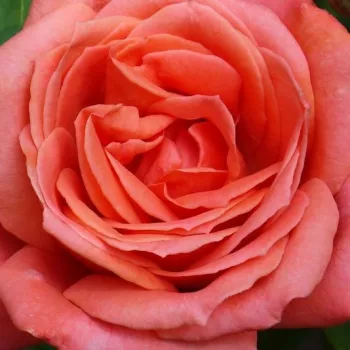
Hybrid tea flowers, large-sized (around 2.75–3.95 inches), double with 26–39 petals, cupped form, mostly solitary on stems; remontant habit with abundant second flush, delivering repeat blooms through the main season. |
| Colour and phenology |
Medium salmon-orange base tone with delicate pink undertones; buds bright orange with pinkish tips; freshly opened flowers warm orange-salmon; gradually fade to apricot- and peach-pink with a soft rosy flush as they age. |
| Fragrance and aroma |
Mild, pleasant fragrance with an understated character; not overpowering near seating areas; more focused on visual effect than strong scent, but offers a gentle traditional rose note when flowers are cut and brought indoors. |
| Rose hip characteristics |
Occasionally forms small spherical red hips about 8–12 mm in diameter; hips are not a dominant feature but can add light seasonal interest if spent flowers are left uncut later in the year. |
| Resistance and hardiness |
Good resistance to common fungal diseases: black spot, powdery mildew and rust; hardy approximately to −21 to −18 °C (H7, USDA 6b, Swedish zone 3); suitable for most Irish regions with standard garden care. |
| Horticultural recommendations |
Best in sunny, well-drained soil; plant at 50–60 cm for hedging or beds, up to 90 cm as specimen; 2.8–3.2 plants per m² for mass planting; ideal for flower beds, specimen use and cutting; own-root in 2-litre containers. |
SOYEUSE DE LYON offers elegant cut-quality blooms, reliable disease resistance and long-term own-root growth, making it a dependable choice for Irish gardens You wish to enjoy with minimal fuss and long-lasting satisfaction.