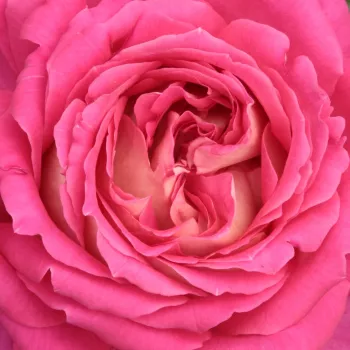
TANGER™ – pink-yellow hybrid tea rose - Dot
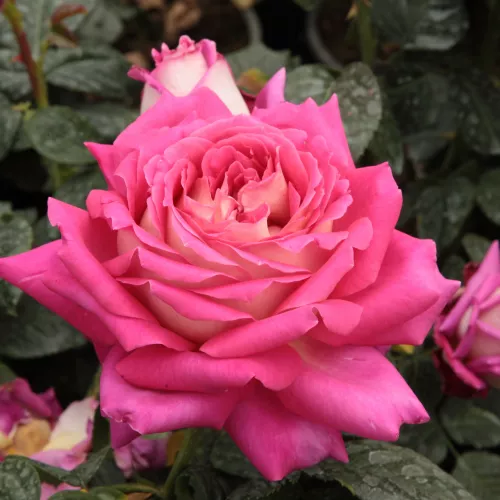
With its nostalgic two-tone blooms and compact habit, TANGER™ is an easy way to bring a touch of classic hybrid tea elegance to an Irish family garden. Its medium-sized, cup-shaped flowers combine creamy centres with raspberry-pink outer petals, giving a romantic, cottage-style effect that works beautifully in front gardens and near paths. Bred from the famous ‘Peace’ rose, it offers reliable repeat flowering through the season, especially when given regular watering and simple care. The moderately dense, mid-green foliage frames the blooms attractively, while the upright, compact structure makes it easy to fit into smaller beds and borders. As an own-root rose in a handy 2‑litre pot, it settles in gradually for a long life, capable of natural renewal after tougher seasons with less long-term fuss. In breezier, wetter parts of Ireland it appreciates a spot with decent drainage so its roots are not sitting in heavy, waterlogged soil. You can enjoy its lightly scented blooms in the garden or as cut flowers indoors. Thanks to its medium maintenance needs, you simply plant, keep it watered, and enjoy more flowers as the years go by – roots establishing in year one, stronger shoots in year two, then full ornamental impact from around year three.
Use cases
| Target area |
Reason |
| Front garden focal point |
TANGER™ forms a tidy, upright bush of about 85–115 cm, ideal for creating a clear focal point beside a path or entrance without overwhelming a small front garden. Its stable own-root structure supports long-term shape, suiting homeowners who prefer dependable, low-fuss structure over frequent replanting for beginners |
| Small specimen in mixed border |
The compact width of 65–95 cm allows you to slot this rose between perennials like daylilies or ornamental grasses, where its bicolour blooms draw the eye. Own-root vigour means it gradually fills its allotted space without sudden surges, ideal for mixed borders that should look balanced rather than overgrown for hobby-gardeners |
| Romantic cottage-style bed |
The creamy-and-raspberry flowers echo traditional cottage gardens and combine well with soft pastel companions such as Oriental poppies or catmint. With remontant flowering, you get repeated flushes that keep the bed interesting from early summer onwards, even if you only manage basic seasonal care for cottage-owners |
| Cut-flower corner in family garden |
Originally bred as a hybrid tea for cutting, TANGER™ produces elegant, medium-sized, very full blooms on upright stems that are easy to gather for the house. Having your own reliable cutting rose adds value to even a modest back garden, giving fresh flowers without the need for expert-level pruning or feeding for homeowners |
| Low-maintenance rose group of 3–5 plants |
Planting a small group at the recommended 55 cm spacing creates a coherent, flowering block that reads as one full bush, yet each plant remains manageable. The own-root stock ensures long lifespan and gradual thickening rather than sudden decline, helping busy gardeners avoid frequent replacements and complex border redesigns for busy-families |
| Edging for paths and driveways |
Its moderate height and compact habit let you edge a path or drive with structured colour that stays within bounds. Regular deadheading improves tidiness, but the plant itself is steady and robust, coping well with typical family comings and goings without constant staking or reshaping for urban-gardens |
| Sunny coastal front garden |
In milder coastal areas, this rose benefits from its solid root system and medium maintenance needs, provided you choose a spot with decent drainage to avoid waterlogging in heavy, rain‑soaked soils. Regular watering and feeding keep flowering reliable despite breezy, damp Atlantic conditions for coastal-homes |
| Large patio container (40–50 litres minimum) |
In a 40–50 litre pot, TANGER™ develops a well-balanced root system that supports healthy flowering and growth over many years. An own-root rose adapts gradually to its container environment, and with consistent watering it maintains good vigour and ornamental value without demanding advanced container-rose expertise for balcony-owners |
Decorating ideas
- Doorway Welcome – Plant TANGER™ by your front door with lavender and low box, creating a neat, fragrant welcome that stays compact and easy to keep in shape – ideal for busy homeowners.
- Cottage Ribbon Border – Combine TANGER™ with Oriental poppy, foxglove and airy grasses along a fence for a soft cottage look with repeat colour through summer – perfect for rural cottage gardeners.
- Family Cut-Flower Patch – Grow 3–5 plants in a sunny corner with dahlias and cosmos, giving you steady blooms for cutting without complex care routines – great for beginner family gardeners.
- Coastal Courtyard Pot – Place one plant in a 50‑litre terracotta pot with trailing thyme and allyssum, giving structured colour in breezy, damp sites while remaining straightforward to water and maintain – suited to coastal terrace owners.
- Evening Seating Nook – Set TANGER™ behind a bench with daylilies and soft blue catmint; its gentle scent and repeating flowers dress the area without demanding daily upkeep – ideal for small urban patios.
Technical cultivar profile
| Characteristic |
Data |
| Name and registration |
Hybrid tea rose marketed as TANGER™, with American Rose Society exhibition name Tanger. Unregistered cultivar; part of the hybrid tea rose group, sold here as an own-root, container-grown garden rose. |
| Origin and breeding |
Bred by Pedro Dot in Sant Feliu de Llobregat, Spain, from the cross ‘Condesa de Sástago’ × ‘Peace’. Introduced in 1949 as a characterful, bicolour hybrid tea suited to both garden and cut-flower use. |
| Growth and structure |
Compact, upright shrub reaching about 85–115 cm in height and 65–95 cm in spread. Moderately dense, mid-green, slightly glossy foliage; moderately thorny stems. Forms a balanced bush shape when planted with recommended spacing. |
| Flower morphology |
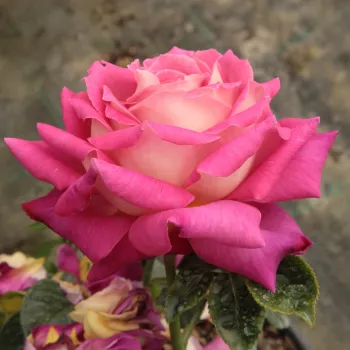
Very full double, chalice to cup-shaped hybrid tea blooms with 40+ petals. Medium-sized flowers, typically 1.5–2.75 inches across, mostly borne singly on stems, with remontant flowering that gives at least two main flushes in a season. |
| Colour and phenology |
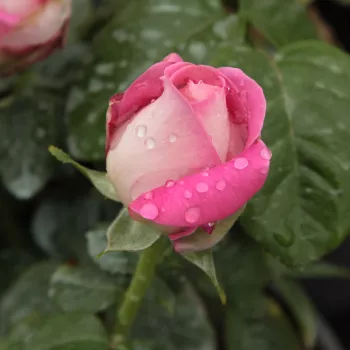
Striking two-tone effect: creamy to pale peach centres framed by deep raspberry-pink outer petals. Buds show cream-ivory with pink blush; colours soften towards salmon-rose and cream as blooms age, with some fading in strong sun but richer tones in cooler spells. |
| Fragrance and aroma |
Light, fresh fragrance of understated character, noticeable at close range rather than across the garden. Not overpowering near seating areas, making it suitable where strong perfume is not desired indoors or outdoors. |
| Rose hip characteristics |
Occasionally forms small, egg-shaped rose hips, around 8–12 mm in diameter. The hips are red (RHS 46A), adding a modest seasonal accent in late season when present, though the plant is mainly valued for its repeat flowers. |
| Resistance and hardiness |
Hardy to around −21 to −18 °C (RHS H7; USDA zone 6b; Swedish zone 3). Moderate overall disease resistance, with good resistance to powdery mildew and black spot, and moderate susceptibility to rust; benefits from basic, timely plant protection. |
| Horticultural recommendations |
Best in full sun with well-drained soil and regular watering, especially in dry spells. Medium maintenance: appreciates deadheading and occasional feeding. Recommended spacings: about 55 cm in mass, 50 cm for hedging, and 90 cm as a stand-alone specimen. |
TANGER™ offers compact shape, repeat flowering and long-lived own-root reliability, bringing classic hybrid tea colour to family gardens with straightforward care, making it a thoughtful choice if you would like a dependable rose.